Anyone with outdoor space—from a small urban patio to a full backyard—can turn their yard into a Certified Wildlife Habitat® through the National Wildlife Federation by providing food, water, cover, places to raise young, and sustainable practices (ideally with at least 70% native plants). It supports declining wildlife, especially in urbanizing areas like the Phoenix Valley, creates a living sanctuary you’ll enjoy every day, and is achievable with thoughtful design that often includes a natural ecosystem pond, stream or water feature.
At The Pond Gnome, we’ve spent decades helping Arizona homeowners transform ordinary yards into thriving urban wildlife habitats. We don’t just install ponds and water features—we create living ecosystems that support native species while giving you a peaceful outdoor retreat. Here’s how (and why) you should do the same.

Who Should Turn Their Yard into a Certified Wildlife Habitat?
This is for almost anyone who cares about the outdoors and has even a little outdoor space:
- Homeowners in urban or suburban areas (especially places like Phoenix, Scottsdale, Glendale, and surrounding communities) where natural wetlands and habitats have disappeared due to urban growth.
- Families who want kids to experience birds, butterflies, dragonflies, and frogs right outside the door.
- Nature lovers, birdwatchers, gardeners, and conservation-minded folks who want their landscape to do more than just look pretty.
- People with any size yard—from container gardens and balconies to large properties. Schools, places of worship, and small businesses can certify too!
- Those dealing with HOA rules who still want a wildlife-friendly space (native plants and intentional design usually work within guidelines).
If you live where concrete and turf have replaced natural oases, your yard can become a vital stepping-stone for local and migratory wildlife. That’s exactly the mission we chase every day at The Pond Gnome.

Why You Should Do It
Urbanization has reduced or eliminated natural wetlands and critical habitats across Arizona and beyond. Native species—including threatened ones like the Lowland Leopard Frog—lose homes as cities expand. Creating certified habitats helps reverse that, one backyard at a time.
Key benefits include:
- Support for wildlife — Provide essential resources so birds, pollinators, amphibians, beneficial insects, and more can thrive. Native habitat gardens can support more than twice the wildlife of typical turf lawns.
- A healthier local ecosystem — Your yard becomes part of a network of mini-conservation areas that help species move and survive in developed areas.
- Personal rewards — Enjoy the sights and sounds of nature (hummingbirds at flowers, dragonflies over water, songbirds bathing). It’s calming, educational for kids, and deeply satisfying.
- Sustainability wins — Reduce water waste, skip harmful chemicals, and create a cooler, more resilient outdoor space suited to desert climates.
- Recognition and community impact — Official NWF certification comes with a certificate, membership benefits, and the option for a yard sign that educates neighbors and inspires others. The $25 fee supports broader conservation work.
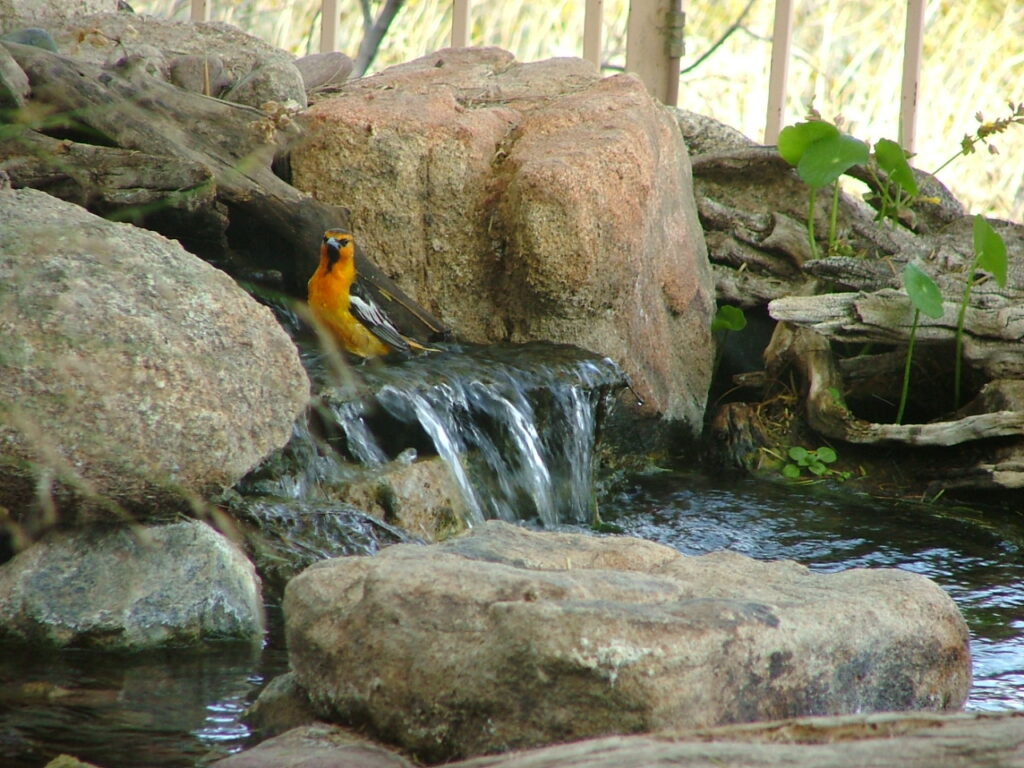
At The Pond Gnome, we see this every day: a well-designed ecosystem pond or water feature turns a backyard into a true sanctuary for both the homeowner and the wildlife that visits. It’s not just landscaping—it’s conservation you can live with and enjoy.

How to Turn Your Yard into a Certified Wildlife Habitat
The National Wildlife Federation’s Certified Wildlife Habitat® program requires these essentials (aim for 70%+ native plants free of neonicotinoids and pesticides):
1. Food (minimum of 3 sources)
Native plants form the foundation of the food web.
- Choose regionally native plants that offer nectar, pollen, seeds, berries, fruits, nuts, foliage, or host plants for caterpillars.
- Layer for multi-season blooms.
- Optional supplements: clean bird or hummingbird feeders.
2. Water (minimum of 1 source)
Clean water for drinking, bathing, and breeding is critical—especially in arid climates.
- Birdbath, shallow dish, rain garden, or (best of all) a year-round ecosystem pond or water garden.
- Even a small recirculating stream feature works wonders and attracts far more life.
3. Cover (minimum of 2 sources)
Shelter from weather and predators.
- Dense shrubs/thickets, evergreens, brush or log piles, rock piles/walls, groundcover, mature trees, meadows, or a pond/water garden.
4. Places to Raise Young (minimum of 2 sources)
Spots for courtship, nesting, and raising offspring.
- Mature trees, snags (dead trees), host plants, dense shrubs, fallen leaf layer, hollow stems, nesting boxes (kept clean), or again—a pond or wetland area.
5. Sustainability (minimum of 3 practices)
- Use native plants, reduce or eliminate pesticides/herbicides, conserve water (mulch, efficient irrigation, rainwater harvesting), remove invasives, and build healthy soil.
Practical Steps to Get Started
- Assess your current yard by taking this quiz.
- Prioritize natives suited to your region (in Arizona, think desert-adapted plants that support local wildlife).
- Add a water feature—our specialty. An ecosystem pond uses biological filtration, rocks, gravel, beneficial bacteria, and plants to stay clear and healthy. It provides water, cover, breeding habitat, and beauty all at once.
- Create layered plantings and leave some “messy” areas (leaf litter, brush piles) for insects and small creatures.
- Apply online at the NWF Certified Wildlife Habitat portal once requirements are met. Certification lasts indefinitely (as long as you maintain the habitat).
Many Arizona homeowners find that a professionally designed wildlife pond or pondless waterfall or stream becomes the heart of their certified habitat. It mimics natural riparian areas that once dotted the Sonoran Desert and works efficiently in our climate.
FAQs
How much does certification cost?
The application fee is $25 (includes a one-year NWF membership and magazine subscription). Signs are available for purchase separately. Schools can certify free.
Does size matter?
No. Any outdoor space can qualify if it provides the essentials.
Will this work with HOA rules?
Often yes. Focus on intentional, maintained native plantings rather than letting the yard go wild. A certification sign can help explain your goals to neighbors. NWF certification itself does not override local rules.
Do I need a big pond?
Not necessarily—a birdbath can meet the water requirement. But a properly designed ecosystem pond multiplies the benefits for wildlife and your enjoyment. The Pond Gnome specializes in desert-friendly, low-maintenance versions.
How long does certification last?
Indefinitely. No need to re-certify unless you move.
What wildlife can I expect?
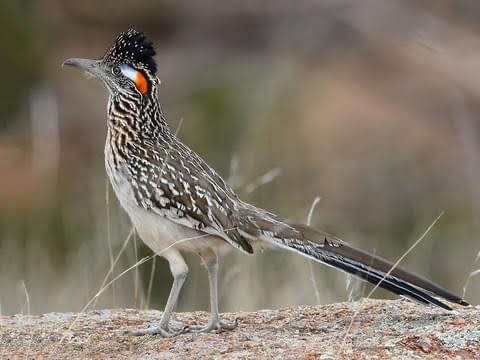
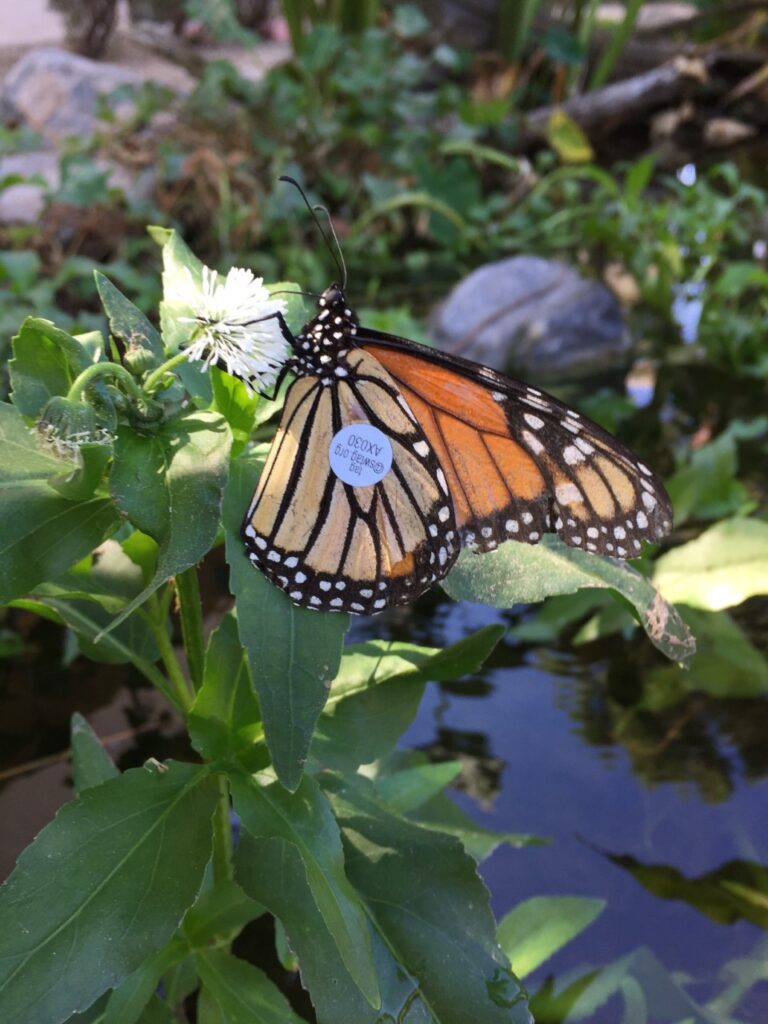
In Arizona: hummingbirds, songbirds, roadrunners, dragonflies, butterflies, pollinators, and sometimes frogs or other amphibians when water is present.
Conclusion & Summary
Turning your yard into a National Wildlife Federation Certified Wildlife Habitat is straightforward, rewarding, and impactful. Anyone with outdoor space can do it by providing food (3+ sources), water (1+), cover (2+), places to raise young (2+), and sustainable practices—ideally with mostly native plants. You’ll help reverse habitat loss, support native and migratory species, and create a more beautiful, living landscape for yourself and your family.
In places like the Phoenix area, where urban growth has claimed so many natural wetlands, every certified backyard becomes a vital refuge. At The Pond Gnome, we believe these spaces matter deeply—we’ve dedicated our work to designing and building them for decades.

Ready to make your yard a true wildlife sanctuary?
Start with an assessment of your space. Contact The Pond Gnome today for a consultation. We’ll help you design a habitat that works with Arizona’s climate, incorporates the water features wildlife crave, and positions you for easy NWF certification. Let’s create something beautiful that benefits both people and nature!