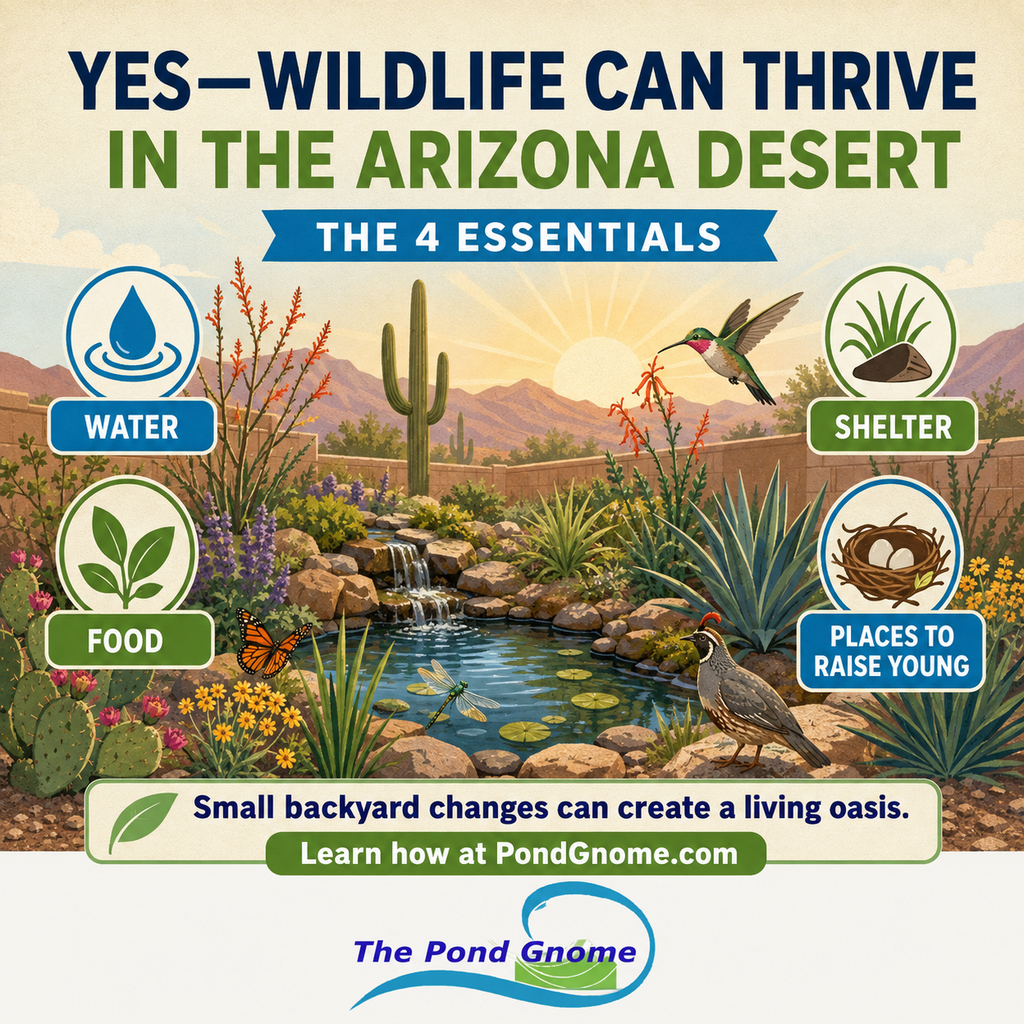
Building a backyard wildlife habitat helps Arizona conservation by replacing some of the food, water, shelter, and travel connections that disappear as natural land is developed (urban sprawl). Native plants, a dependable clean water source, layered vegetation, and fewer pesticides can support birds, pollinators, beneficial insects, amphibians, reptiles, and other native wildlife.
One backyard will not replace the Sonoran Desert. But when enough homeowners create small pockets of useful habitat, our neighborhoods can become a network of stepping stones that helps wildlife survive and move through an increasingly urban landscape.
Arizona Conservation Can Begin in Your Own Backyard
When most people hear the word conservation, they picture national parks, desert preserves, wildlife corridors, or scientists working with endangered species. Those efforts are important, but conservation does not stop at the edge of public land.
It also happens in the spaces between those protected areas—including our homes, schools, businesses, churches, and neighborhood common areas.
According to the Arizona Game and Fish Department, Arizona’s Wildlife Conservation Strategy focuses on the species and habitats with the greatest conservation needs. Home landscapes are not substitutes for large, intact habitats, but they can still play a valuable supporting role—especially in developed areas where wildlife has fewer places to find the basics of life.
The University of Arizona Cooperative Extension describes five essential habitat elements:
- Food
- Water
- Cover
- Space
- A useful arrangement of those elements
That last item matters more than most people realize. A water source in the middle of bare gravel is not nearly as useful as water placed near native plants, shade, perches, and escape cover. A true habitat works as a whole ecosystem.
1. Backyard Habitats Replace Resources Lost to Development
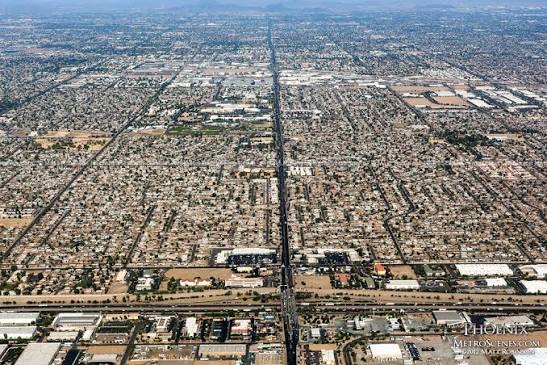
As Arizona communities expand, natural vegetation is often replaced by roofs, roads, walls, artificial turf, and landscapes with limited biological value. Wildlife may remain in the area, but the resources it needs become farther apart and harder to reach.
A thoughtfully designed backyard can restore a portion of those missing resources:
- Native flowers provide nectar and pollen.
- Seed-producing grasses and plants feed birds.
- Shrubs offer nesting sites and protection from predators.
- Trees provide shade, perches, and overhead cover.
- Rocks, logs, and dense groundcover create shelter for lizards and beneficial insects.
- A clean, accessible water source provides drinking and bathing opportunities.
Your yard does not need to be large or wild-looking. Even a polished landscape can support conservation when the plants and features are selected and arranged with wildlife in mind.
2. They Create “Stepping-Stone” Habitat Through Urban Areas
Habitat fragmentation occurs when large natural areas are divided into smaller, isolated pieces. Roads, walls, buildings, and development can make it difficult for wildlife to travel between places where it can feed, rest, reproduce, and find water.
The Arizona Game and Fish Department identifies habitat connectivity as an important part of wildlife conservation. A backyard is not a full-scale wildlife corridor, but a collection of wildlife-friendly properties can function as smaller stopping points between larger habitat areas.
This can be especially useful for:
- Migrating birds looking for water and cover
- Hummingbirds moving between nectar sources
- Butterflies traveling between host and nectar plants
- Native bees with relatively short foraging ranges
- Dragonflies and damselflies searching for suitable water
- Lizards and other small animals moving through developed neighborhoods
Think of each good backyard habitat as one link in a chain. The more links a community adds, the more useful the network becomes.
3. Native Plants Support the Entire Food Web
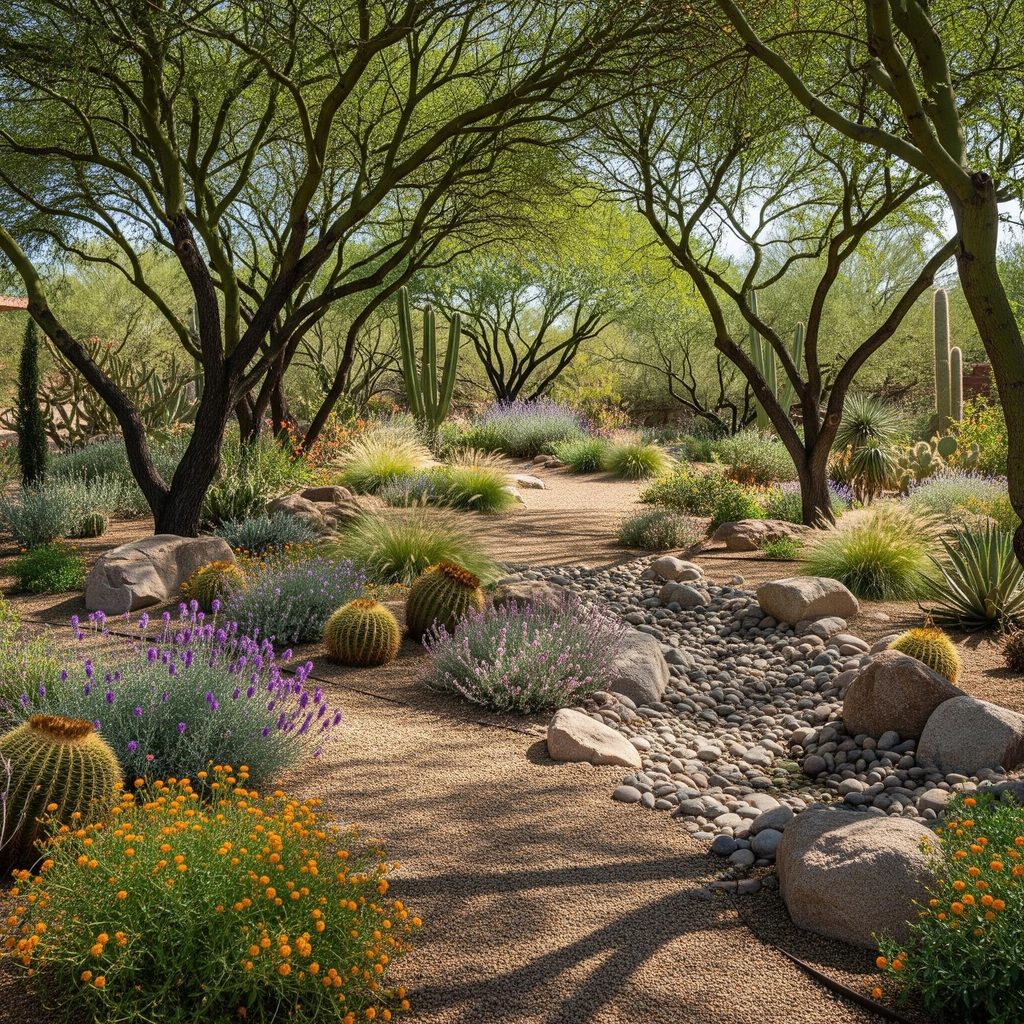
Native plants do much more than survive the Arizona climate. They have long-standing relationships with native insects and animals.
The University of Arizona Cooperative Extension notes that native animals are adapted to native plants and that native landscaping can help connect natural habitats. Native plants also attract native insects and microorganisms, which in turn support insect-eating wildlife.
That creates a chain reaction:
- Native flowering plants feed bees, butterflies, moths, and hummingbirds.
- Host plants give butterfly and moth caterpillars a place to develop.
- Those insects become food for birds, lizards, frogs, and other wildlife.
- Seeds, fruits, and berries provide additional seasonal food.
- Plant roots stabilize soil and help slow runoff.
Not every plant in a wildlife habitat must be native, but native species should do much of the heavy lifting. They are typically better suited to Arizona’s heat and rainfall patterns and often require less supplemental water once established (translation: less maintenance for you).
4. Water Has an Outsized Conservation Value in Arizona
Food and cover matter everywhere, but dependable water is especially valuable in an arid state.
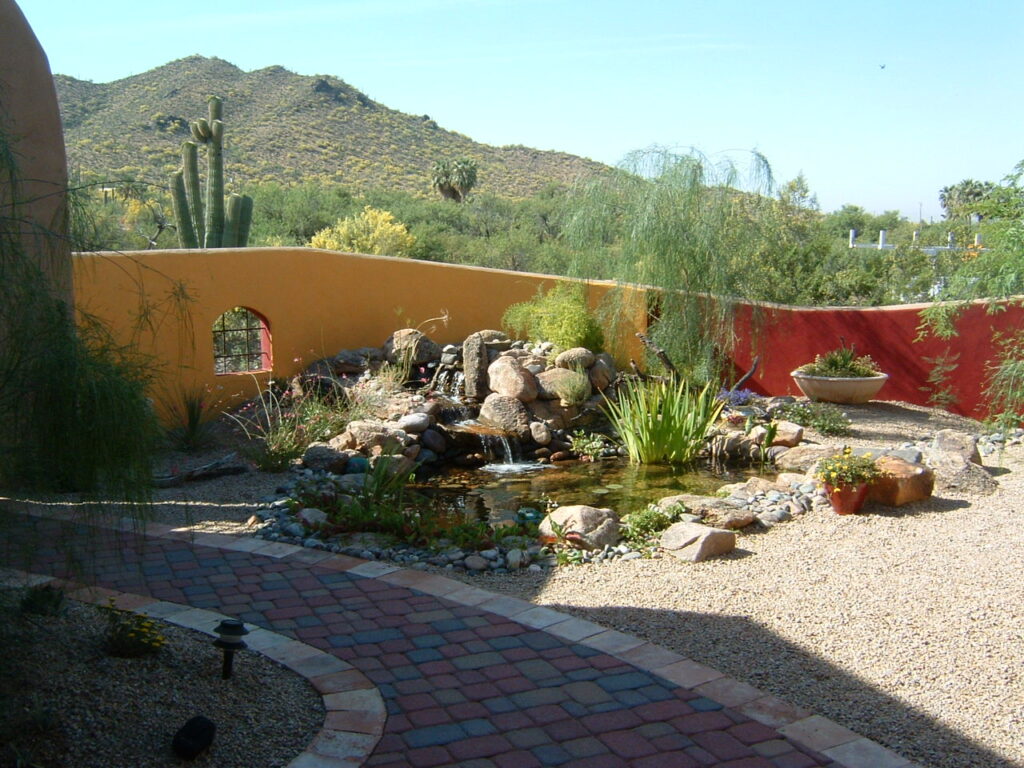
A shallow birdbath can help birds but has a lot of heat gain and contamination risk while a well-designed ecosystem pond is healthier, cooler and can serve a much broader range of wildlife, as well as be less maintenance. Ground-level access allows small mammals, reptiles, and amphibians to reach the water. Shallow edges, damp soil, aquatic plants, and moving water expand the habitat even further.
A wildlife-friendly pond may support:
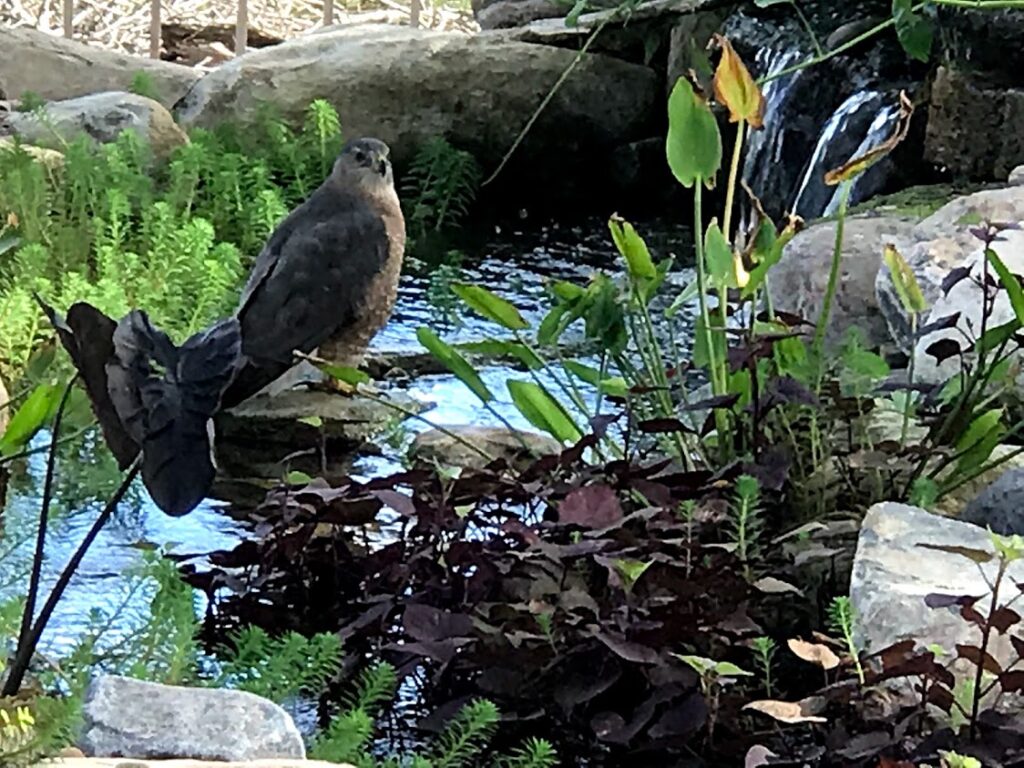
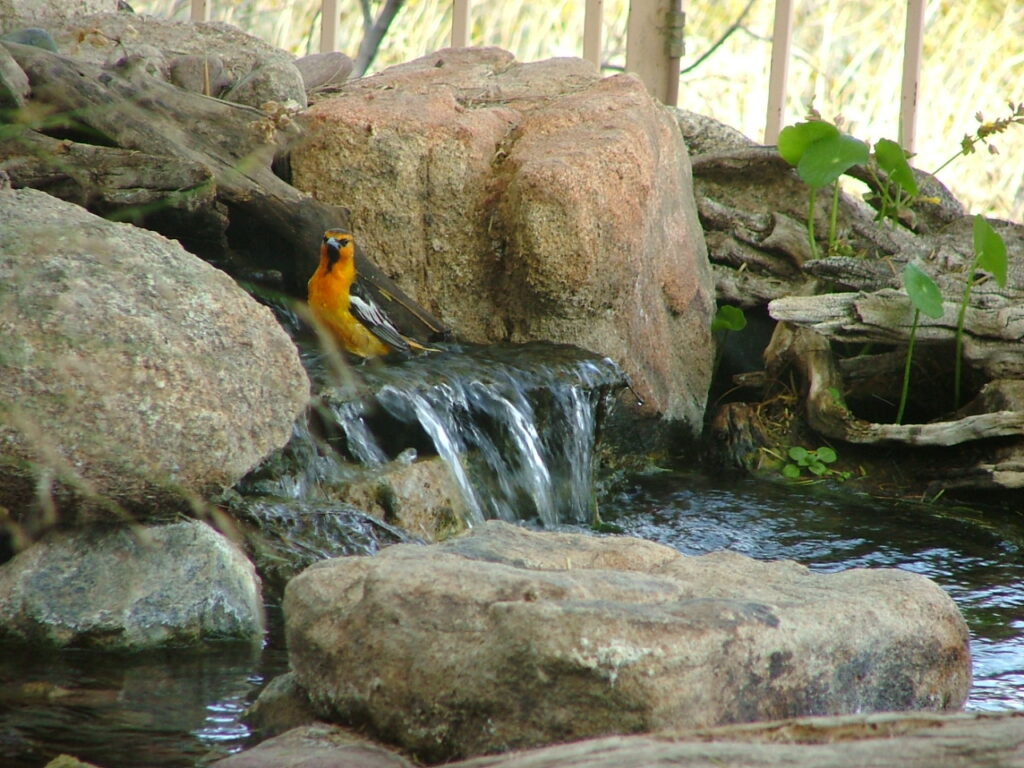
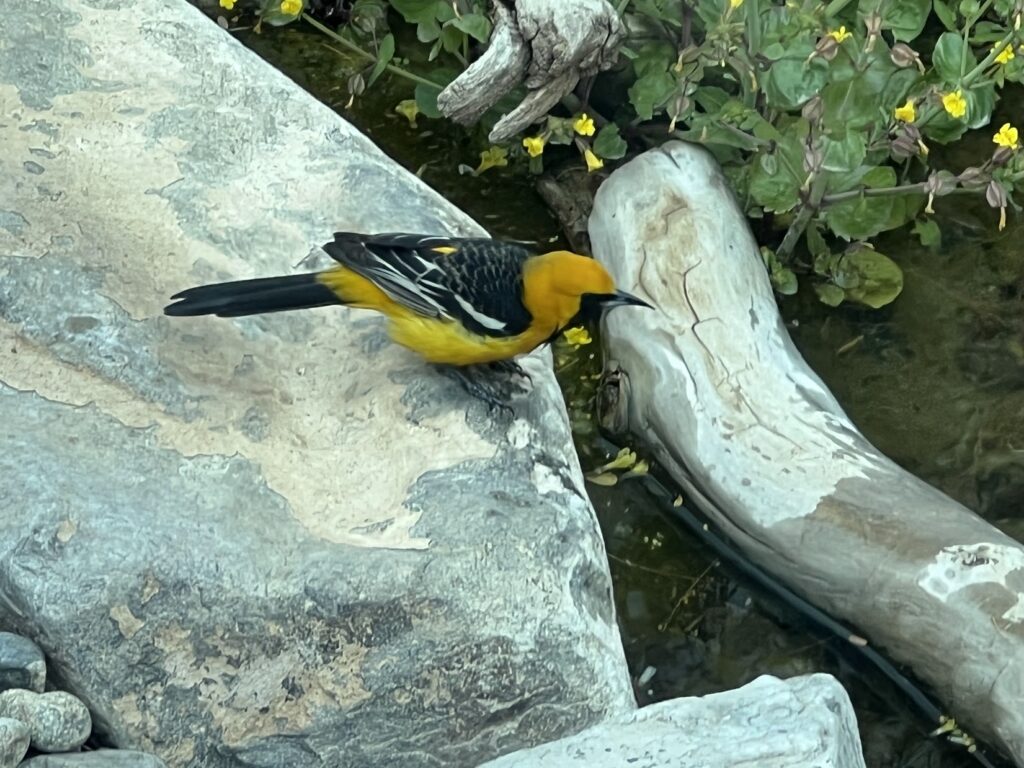
- Songbirds and hummingbirds drinking and bathing
- Bees and butterflies collecting moisture and minerals
- Dragonflies and damselflies breeding and hunting
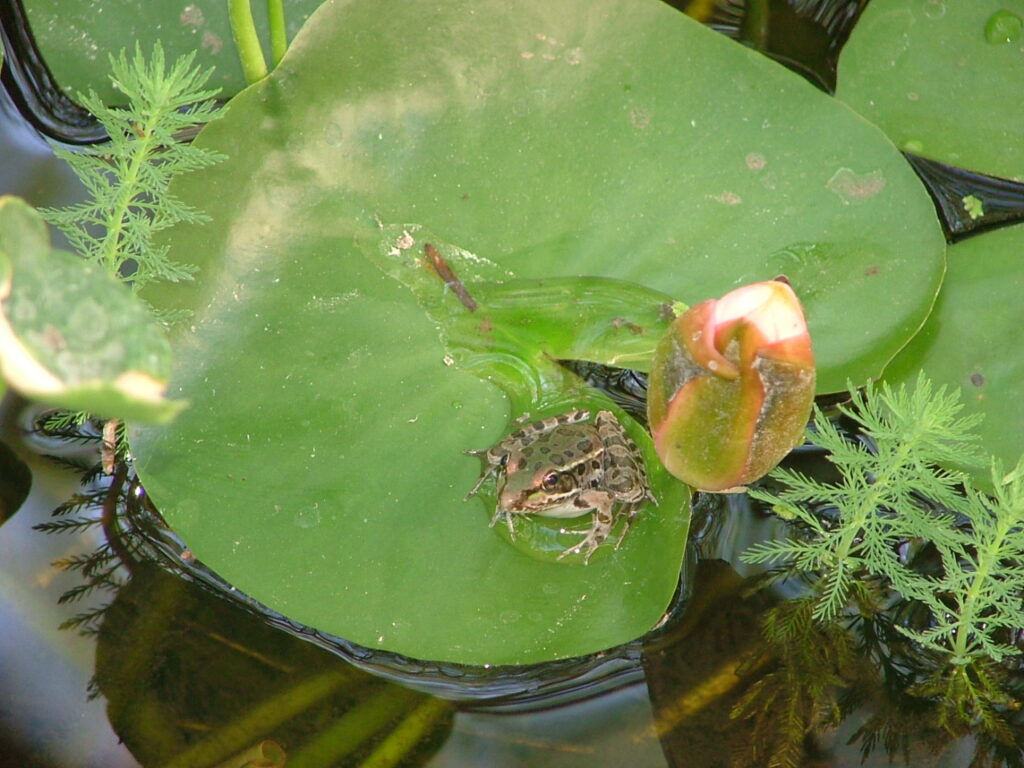
- Frogs and toads finding water, cover, and breeding habitat where appropriate
- Lizards hunting insects in the cooler shoreline microclimate
- Small mammals stopping for a drink
Aquascape’s wildlife-friendly pond guidance recommends natural edges, shallow access areas, aquatic plants, shelter, biological filtration, and moving, oxygenated water. Those features make a pond more than a decorative basin—they make it a functioning oasis.
At The Pond Gnome, we call this living water. A chlorinated swimming pool may contain a lot of water, but it offers very little habitat value. An ecosystem pond combines water with plants, rock, gravel, beneficial bacteria, circulation, oxygen, and multiple depths. That is an entirely different proposition to wildlife.

5. Healthy Habitats Support Pollinators
Arizona agriculture, gardens, native plant communities, and wildlife all depend on pollination. Yet many pollinators struggle when flowering plants are scarce, pesticides are heavily used, or habitat exists only in isolated patches.
A backyard habitat can provide:
- A sequence of blooms across several seasons
- Native nectar plants for adult pollinators
- Host plants for caterpillars
- Shallow, safe access to water
- Bare soil or natural materials used by some native bees
- Shelter from wind, heat, and predators
- A landscape managed with fewer broad-spectrum chemicals
The best pollinator garden is not simply a few colorful flowers in March. It provides something useful across the calendar and allows a little imperfection. A chewed leaf may be evidence that a caterpillar—and therefore the next generation of butterflies or moths—is doing exactly what it is supposed to do.
6. Backyard Ecosystems Can Reduce Reliance on Pesticides
Traditional pest control often treats every insect as a problem. Nature is more complicated than that.
A diverse habitat invites predators that help keep other populations in check:
- Dragonflies and damselflies consume flying insects.
- Frogs, toads, and lizards eat many insects.
- Birds feed caterpillars, beetles, and other invertebrates to their young.
- Lady beetles, lacewings, and predatory wasps help control plant pests.
This does not mean a wildlife habitat will eliminate every mosquito, aphid, or nuisance insect. It means the yard can rely more heavily on ecological balance and less heavily on routine, indiscriminate chemical use (translation: less work and cost for you).
That matters because pesticides can affect far more than their intended targets. Reducing unnecessary chemical applications protects pollinators, aquatic life, amphibians, and the food web that connects them.
7. Wildlife-Friendly Landscaping Can Also Conserve Water
Building habitat does not mean creating a thirsty jungle in the desert. Done correctly, wildlife landscaping and water-wise landscaping support each other.
Conservation-minded choices include:
- Using locally appropriate native and desert-adapted plants
- Grouping plants with similar water needs
- Irrigating efficiently and deeply
- Mulching or using natural groundcover to protect soil
- Creating shade that reduces evaporation and heat stress
- Capturing rainwater where practical
- Recirculating pond water instead of allowing it to run to waste
- Checking water features for leaks and maintaining automatic fill systems
An ecosystem pond does lose water to evaporation—every exposed body of water does—but it can provide far more habitat value than a sterile feature when properly designed and maintained. The goal is not to pretend water use does not matter. The goal is to use water intentionally and get the greatest ecological benefit from it.
8. Backyard Habitats Help People Care About Conservation
There is another conservation benefit that is harder to measure but impossible to ignore: people protect what they know and love.
When children watch a dragonfly emerge, when a homeowner recognizes the hummingbird that visits each morning, or when a family hears frogs calling after dark, wildlife stops being an abstract idea. It becomes part of daily life.
A backyard habitat creates opportunities to:
- Observe wildlife behavior up close
- Teach children about food webs and seasonal change
- Participate in community science projects
- Learn which species share our neighborhoods
- Notice the effects of pesticides, invasive plants, and habitat loss
- Encourage neighbors to make their own yards more wildlife-friendly
That connection can influence how people landscape, shop, vote, volunteer, donate, and care for Arizona’s natural resources. In our experience, the pond often becomes the place where the whole family slows down—and starts noticing just how much life is already around them.

What Makes an Arizona Backyard Habitat Truly Useful?
You do not need acreage. You do need to provide several habitat elements together and manage them responsibly.
For the greatest conservation value, include:
- Native plants: Choose a variety of flowering plants, grasses, shrubs, and trees suited to your elevation and Arizona region.
- Multiple plant layers: Combine low groundcover, mid-height shrubs, and taller trees or large shrubs where space permits.
- Reliable water: Provide clean water with shallow access, textured rocks, or an escape route for small animals.
- Moving water: A small stream, waterfall, or bubbler helps wildlife locate the water and keeps it oxygenated.
- Shelter: Include dense vegetation, rock crevices, logs, leaf litter, or properly designed nesting structures.
- Seasonal food: Select plants that bloom, fruit, or produce seed at different times of year.
- Safe access: Give small creatures a gentle way in and out of ponds and avoid steep, slick-sided containers.
- Fewer chemicals: Use targeted, least-toxic pest management only when necessary.
- Responsible maintenance: Prevent invasive plants from escaping, clean feeders and water sources, and do not encourage wildlife dependence through indiscriminate feeding.
- Thoughtful placement: Keep food, water, and cover close enough that wildlife is not left exposed while using them.
Why Professional Pond Design Matters
A wildlife pond is more than a hole that holds water. Poor circulation, inaccessible edges, inappropriate depth, exposed liner, chemical dependence, or inadequate filtration can create maintenance headaches instead of a healthy habitat.
A professionally designed ecosystem pond uses several components together:
- Mechanical filtration to collect debris
- Biological filtration to support beneficial micro organisms
- Aquatic plants to use nutrients and provide cover
- Rock and gravel that create surface area for beneficial organisms
- Pumps, waterfalls, and aeration to circulate and oxygenate water
- Shallow shelves and natural edges for wildlife access
- Deeper zones and fish caves where needed for protection
The Pond Gnome designs these systems for Arizona conditions—not for a generic climate in a brochure. Our heat, intense sun, evaporation, dust, monsoon debris, wildlife, and plant choices all affect how a habitat should be built.
Frequently Asked Questions
Does one backyard wildlife habitat really make a difference?
Yes, particularly in urban and suburban areas where natural resources are fragmented. One yard provides a small refuge; many wildlife-friendly yards together form a much more useful network of food, water, shelter, and stopping points.
What animals can an Arizona backyard habitat attract?
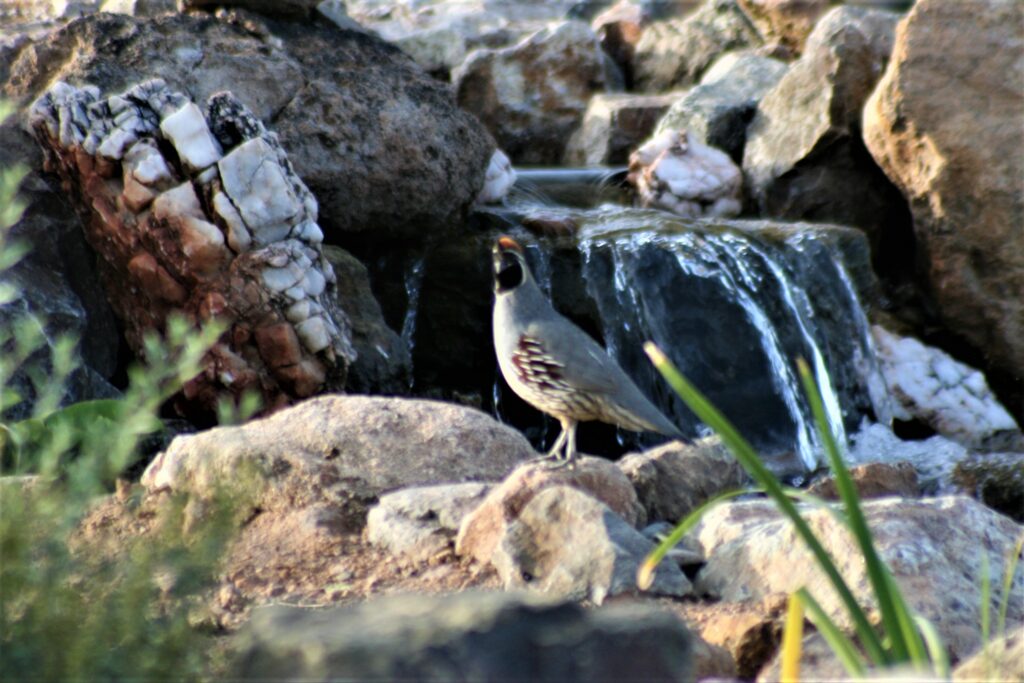
Depending on your location and design, you may see hummingbirds, songbirds, quail, butterflies, native bees, dragonflies, damselflies, lizards, frogs, toads, and small mammals. As The Pond Gnome explains in our guide to Arizona pond wildlife, the visitors vary by season, neighborhood, elevation, and proximity to natural open space.
Is a pond necessary for a backyard wildlife habitat?
No. A shallow birdbath or ground-level water dish can help, especially when paired with native plants and cover. It does, however, require daily cleaning and refilling. A pond, however, supports more kinds of habitat by adding multiple depths, aquatic vegetation, damp shoreline areas, and space for aquatic insects and amphibians.
Will a wildlife pond breed mosquitoes?
A stagnant container can breed mosquitoes, but a properly designed ecosystem pond is different. Continuous circulation, along with predators such as fish, dragonflies, and other aquatic organisms, makes it far less inviting to mosquitoes.
Can a wildlife habitat be water-wise in Phoenix?
Absolutely. Use native and desert-adapted plants, efficient irrigation, shade, rainwater capture where practical, and a recirculating water feature. The goal is to provide high habitat value without wasting Arizona’s most precious resource.
Should I feed the wildlife that visits my habitat?
Usually, it is better to provide natural food through native plants rather than make animals dependent on handouts. If you use feeders, keep them clean, choose the correct food, and place them near protective cover while following current wildlife guidance.
Are backyard wildlife habitats safe for koi?
They can be when predator protection is included from the beginning. Deeper areas, fish caves, rock overhangs, aquatic plants, aeration, and thoughtful shoreline design give koi places to retreat without turning the pond into an unnatural fortress.
Can I attract wildlife without attracting dangerous animals?
No outdoor habitat can guarantee which animals will visit. Good sanitation, secure trash and pet food, sensible fencing, and supervising small pets can reduce conflicts; never intentionally feed coyotes, javelina, bobcats, or other large wildlife. And always look out your window before venturing into the yard. Simply put: be aware, and enjoy the view.
Conclusion: Small Habitats Add Up
Arizona conservation is not only something that happens miles away in protected wilderness. It also happens wherever people decide to share a little space with the living world.
A well-planned backyard wildlife habitat can:
- Restore food, water, and shelter in developed areas
- Provide stepping-stone habitat between larger natural spaces
- Support native plants, pollinators, birds, and other wildlife
- Reduce unnecessary pesticide use
- Conserve water through climate-appropriate landscaping
- Help families develop a stronger connection to Arizona nature
No single backyard can replace intact desert, riparian, grassland, or forest habitat. But your yard can become one useful piece of a much larger conservation puzzle—and it can be beautiful, peaceful, and full of surprises at the same time.
Ready to Put Some Arizona Back Into Your Backyard?
If you want more than a decorative landscape—if you want a living place where birds bathe, dragonflies patrol, butterflies feed, and your family reconnects with nature—The Pond Gnome would love to help.
We design and build ecosystem ponds and backyard wildlife habitats around Arizona’s climate using proven ecosystem principles. We will help you combine living water, native-minded planting, natural stone, biological filtration, safe wildlife access, and the right habitat features for your property.
Contact The Pond Gnome today to schedule a consultation. Let’s create a backyard that feels like an oasis for you—and serves as a small but meaningful refuge for Arizona wildlife.