

Yes, a wildlife habitat can absolutely work in the Arizona desert—and it can work beautifully.
The secret to creating a wildlife habitat in Arizona is not trying to turn Phoenix into a rainforest. A successful desert habitat works with the Sonoran Desert by combining reliable water, desert-adapted plants, food sources, shade, shelter, and safe places for wildlife to move through the landscape. When an ecosystem pond or recirculating water feature is designed correctly, it can become the heart of that habitat.
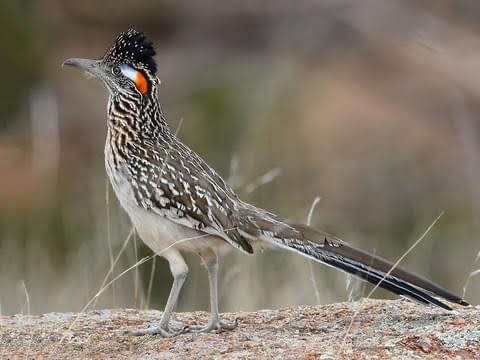
Birds, hummingbirds, butterflies, native bees, dragonflies, lizards, frogs, toads, and other desert visitors may all use a thoughtfully designed yard. In a place where water is scarce, even a modest source of clean, moving water can make your landscape especially valuable.
Why a Wildlife Habitat Makes Sense in the Desert
The phrase “desert wildlife habitat” may sound like a contradiction. It is not. The Sonoran Desert is one of the most biologically diverse deserts in the world, and Arizona wildlife is already adapted to heat, dry conditions, and seasonal rainfall.
What many residential landscapes lack is not wildlife. They lack the connected resources wildlife needs:
- A dependable source of water
- Native and desert-adapted food plants
- Shade during extreme heat
- Cover from predators
- Safe nesting, resting, and basking areas
- A landscape with fewer pesticides and fewer sterile surfaces
A habitat-friendly yard fills those gaps. You do not need a huge property, either. A suburban backyard, courtyard, or side yard can provide meaningful resources when every element has a purpose.
As The Pond Gnome explains, a well-planned Phoenix-area habitat can support native wildlife while adding beauty, tranquility, and purpose to the landscape. That is the sweet spot: a yard that looks good to people and functions well for nature.
Water Is the Heart of an Arizona Wildlife Habitat
In the desert, water is a magnet. Birds need it for drinking and bathing. Bees and butterflies may visit damp edges and shallow areas. Dragonflies need aquatic habitat during their early life stages. Frogs and toads depend on water and protected places nearby.
Simply putting out a deep container of stagnant water is not the same as creating a healthy habitat. A good water source should include:
- Shallow access: Gentle edges, shelves, gravel bars, or partly submerged stones give small animals a safe place to drink and an easy way out.
- Movement and oxygen: Circulating water generally stays healthier and is less inviting to mosquitoes than neglected, stagnant water.
- Shade: Aquatic plants, nearby vegetation, and thoughtful placement can reduce heat gain and give wildlife cover.
- Clean water: Avoid pesticides, herbicide drift, and unnecessary chemical treatments around habitat water.
- Multiple depths: Shallow zones serve small visitors, while deeper areas offer more stable temperatures for pond life.
- Escape routes: Rocks, logs, branches, and planted edges help animals enter and leave safely.
Aquascape describes an ecosystem pond as a system in which circulation, filtration, rocks and gravel, plants, and fish work together. Those parts are not just equipment and decoration. Together, they create healthier water and a more resilient environment.
Here in Arizona, correct sizing matters. Pumps, plumbing, filtration, pond depth, sun exposure, and plant selection all need to account for intense summer heat and evaporation. This is where desert-specific experience makes a real difference. A water feature designed for a mild climate may not perform the same way in a Phoenix July.

The Five Building Blocks of a Desert Wildlife Habitat
1. Reliable Water
Water may be the main attraction, but it needs to be dependable and safe.
Good options include:
- A naturally balanced ecosystem pond
- A shallow wildlife pond without ornamental fish
- A recirculating stream or waterfall
- A bubbling rock with accessible wet edges
- A rainwater-harvesting feature integrated into the landscape
The best choice depends on the wildlife you hope to attract, the space available, and how much interaction you want with the feature.
2. Native and Desert-Adapted Plants
Plants provide far more than color. They are food, shade, nesting material, perches, hiding places, and living temperature control.
Use several layers of planting:
- Trees and larger shrubs for overhead cover and protected resting areas
- Flowering shrubs and perennials for nectar, pollen, and seeds
- Grasses and groundcovers for shelter near the soil surface
- Marginal and aquatic plants for filtration, shade, and pond-edge habitat
Choose species suited to the sun, soil, elevation, and water conditions on your property. The goal is not to pack every square foot with plants. It is to create connected pockets of cover so wildlife does not have to cross a wide-open yard to reach food or water.
Pond plants help filter water, compete with algae for nutrients, shade fish, and provide shelter for wildlife. Plants around the pond also attract birds, butterflies, and beneficial insects. In other words, plants are part of the habitat’s operating system—not an optional finishing touch. See Aquascape’s guide to why plants matter in a pond.
3. Food Through the Seasons
A living habitat offers more than a feeder. It provides a changing menu throughout the year.
Consider plants that produce:
- Nectar for hummingbirds, butterflies, moths, and native bees
- Seeds for finches and other birds
- Berries or fruit for seasonal visitors
- Leaves that support beneficial insect larvae
- Dense growth where insects can live and birds can forage
A healthy insect population is part of the plan. Caterpillars, beetles, and other small creatures feed birds, lizards, frogs, and toads. If every insect is treated as an enemy, the food web never gets established.
4. Shelter and Safe Movement
Wildlife needs places to disappear. An overly tidy yard may look polished, but it can leave small animals exposed.
Habitat features can include:
- Layered shrubs and grasses
- Rock crevices and small stone piles
- Strategically placed logs or branches
- Dense pond-edge planting
- Nest boxes appropriate for local species
- Open sunny rocks for lizards and dragonflies to bask
- Undisturbed corners where animals can rest
Place shelter close enough to water that small visitors can retreat quickly. At the same time, keep drinking and bathing areas visible enough that birds can watch for predators. Good habitat design balances access with protection.
5. Responsible Maintenance
A wildlife habitat is lower-input than a conventional ornamental yard in some ways, but “natural” does not mean “do nothing.” It means doing the right things at the right time.
Plan to:
- Maintain pumps and filtration
- Replace water lost to evaporation
- Remove excessive organic debris
- Thin aggressive plants when needed
- Monitor pond water and animal activity
- Avoid broad-spectrum pesticides
- Leave some seed heads and plant structure for wildlife
- Adjust shade and plant coverage as the landscape matures
The objective is balance, not sterility. A little algae, a few chewed leaves, and visiting insects are signs that the habitat is alive.
What Wildlife Can an Arizona Backyard Habitat Attract?
Every yard is different, and no ethical designer can guarantee that a particular species will arrive. Habitat quality, nearby open space, migration routes, neighborhood conditions, pets, and season all influence what you see.
Still, a well-designed Phoenix-area habitat may attract:
- Native and migratory birds
- Hummingbirds
- Butterflies and moths
- Native bees and other pollinators
- Dragonflies and damselflies
- Lizards and geckos
- Frogs and toads
- Small mammals and occasional larger desert visitors
The Pond Gnome’s Arizona wildlife guide describes ecosystem ponds as potential gathering places for birds, pollinators, amphibians, reptiles, and other desert animals. Aquascape likewise explains that a properly designed pond can provide food, shelter, and safety for wildlife.
One important note: water attracts predators as well as the cute little songbirds. Herons may visit ponds with fish, and other animals may stop for a drink. Smart design anticipates wildlife behavior instead of pretending only the invited guests will show up.

Will a Wildlife Pond Waste Water in Arizona?
Any exposed body of water loses water to evaporation, especially during Arizona’s hot, dry, windy periods. That does not automatically make a pond wasteful. The right question is whether the feature is designed, built, and managed responsibly.
Water-conscious strategies include:
- Choosing a pond size appropriate for the property
- Fixing leaks rather than assuming every loss is evaporation
- Using automatic fill systems correctly and monitoring usage
- Adding shade with plants and thoughtful placement
- Reducing unnecessary splash outside the lined area
- Recirculating the water through a biological filter system
- Harvesting rainwater where practical
- Selecting plants adapted to desert conditions
A professionally built, recirculating ecosystem pond contains and reuses its water. It will still need topping off, but it is very different from allowing irrigation runoff to flow down the street.
Common Mistakes to Avoid
Many habitat projects struggle because individual pieces are added without considering the whole system.
Watch out for these common mistakes:
- Placing a pond in harsh all-day reflected sun without a shade strategy
- Building steep, slick sides that trap small animals
- Under-sizing the pump, plumbing, or filtration
- Creating stagnant pockets of water
- Using too few plants—or plants poorly suited to Arizona
- Adding too many fish for the pond’s biological capacity
- Spraying pesticides near water and pollinator plants
- Expecting the habitat to remain frozen in its “installation day” appearance
- Hiring a builder who understands ponds but not the Sonoran Desert—or landscaping but not living water
The last point matters more than it may seem. A desert wildlife habitat is not merely a pond beside a few native plants. Water, stone, topography, circulation, filtration, sun, shade, and plant communities need to function as one landscape.
Frequently Asked Questions
Can a wildlife habitat really survive a Phoenix summer?
Yes. Arizona wildlife already survives here. The habitat must provide dependable water, heat-tolerant plantings, shade, shelter, and a pond system designed for high temperatures and evaporation. Correct depth, circulation, filtration, and plant coverage help keep the water environment more stable.
Will a wildlife pond attract mosquitoes?
A neglected container of stagnant water can breed mosquitoes. A properly circulated and maintained ecosystem pond is different. Moving water, fish where appropriate, filtration, and predators such as dragonflies can all help interrupt mosquito development. No yard is mosquito-proof, but good design avoids creating stagnant breeding pockets.
Do I need fish in a wildlife pond?
No. It depends on your goal. Fish can be part of a balanced ecosystem pond, but they may eat amphibian eggs and tadpoles. If frogs and toads are the priority, a separate shallow, fish-free habitat may be the better choice. Aquascape recommends fish-free water when designing specifically for frog and toad reproduction in its guide to building an amphibian-friendly pond.
Is a wildlife habitat high-maintenance?
It should not be a daily chore, but it is not maintenance-free. Expect seasonal plant care, equipment checks, debris removal, water replacement, and occasional adjustments. A balanced ecosystem generally requires less corrective work than a poorly designed feature that constantly fights algae and water-quality problems.
Can I create habitat in a small yard?
Absolutely. A compact recirculating water feature, a few carefully chosen native plants, layered shelter, and pesticide-free maintenance can provide real value. Habitat quality matters more than acreage.
Should I build it myself or hire a professional?
A small habitat garden or simple water source can be a rewarding DIY project. For an ecosystem pond, stream, koi pond, or integrated backyard habitat, professional design can prevent costly problems involving leaks, unsafe edges, inadequate filtration, poor circulation, heat exposure, and mismatched plants.
Conclusion: Yes, the Arizona Desert Can Support a Living Backyard Habitat
A wildlife habitat can do more than work in the Arizona desert—it can become one of the most active, rewarding parts of your landscape.
The recipe is straightforward:
- Provide clean, reliable, accessible water
- Use native and desert-adapted plants
- Offer food, shade, and shelter in multiple layers
- Create safe entry, exit, and movement routes
- Avoid unnecessary chemicals
- Design the entire landscape as one connected ecosystem
The important part is making those elements work together under real Arizona conditions. That is where local knowledge and proven ecosystem-pond principles earn their keep.
At The Pond Gnome, we design and build living water features and wildlife-friendly landscapes for Phoenix, Scottsdale, Glendale, Peoria, and surrounding Arizona communities. As a Master Certified Aquascape Contractor with decades of desert experience, we understand that a successful habitat needs to look like it belongs in your yard—and function like it belongs in the Sonoran Desert.
Ready to turn your backyard into a living desert oasis? Schedule a consultation with The Pond Gnome or call 623-572-5607. Let’s create a habitat that gives Arizona wildlife a place to drink, feed, shelter, and thrive—and gives you a front-row seat to the show.