
Short Answer
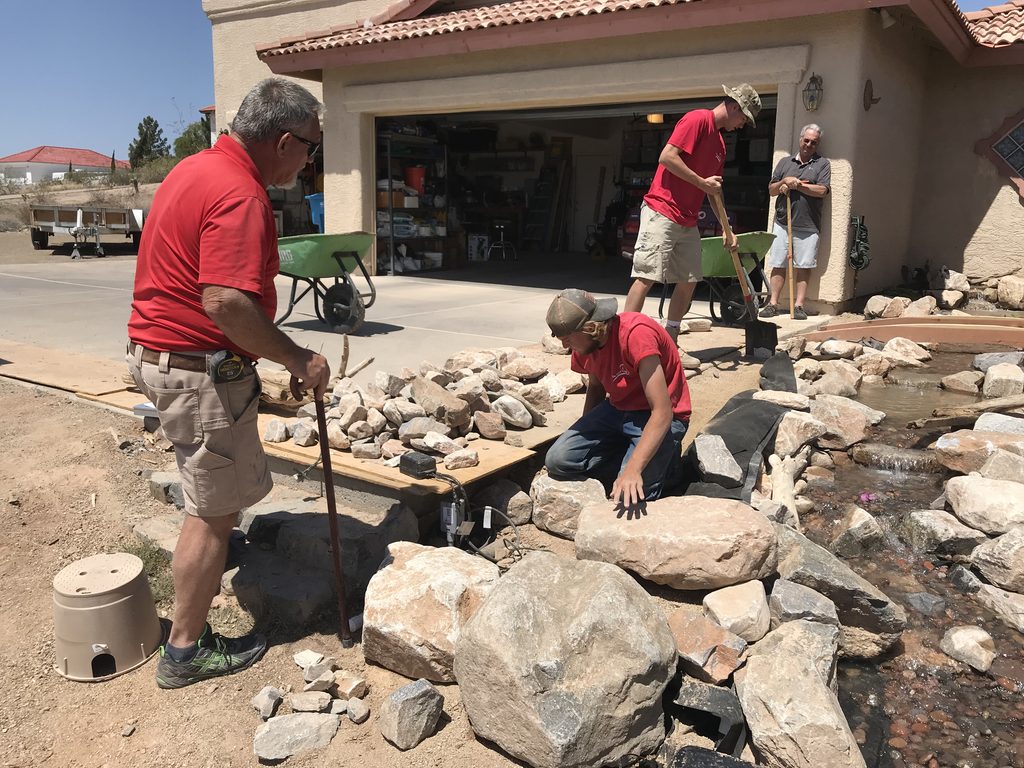
We can only speak to our pricing, as most of our competitors don’t seem to be transparent on this issue. Professional pond installation in Phoenix, AZ, starts at about $13,000 for a small patio pond at The Pond Gnome. Our goldfish pond with a waterfall starts at $24,000, and our larger koi pond with a waterfall starts at $41,000. Custom recreational ponds start around $125,000. Pondless creations start around $9,000.
These are starting prices for our installations, rather than a market-wide average. Your final investment depends on the design and the conditions in your yard. Pricing will also depend on the contractor you choose, especially if they are a one-man operation new to the industry or a well-established company.
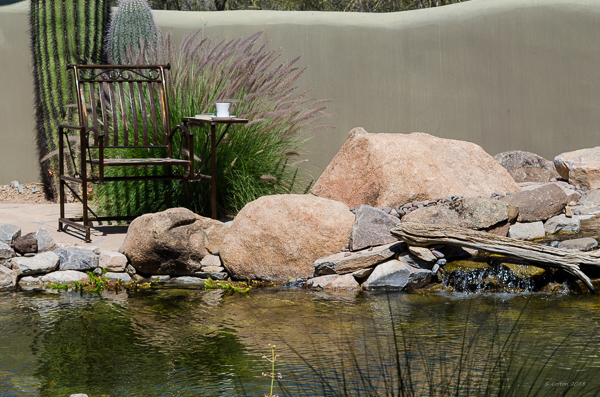
If you’re picturing morning coffee beside a waterfall, colorful fish cruising beneath lily pads, and birds stopping by for a drink, the next question is usually pretty practical: “What’s this going to cost me?”
Fair question! Here’s how to plan a budget for a living water feature in the Sonoran Desert.
Professional pond installation prices in Phoenix
The following examples come from The Pond Gnome’s pond pricing as posted on our website.
| Pond type | Approximate package dimensions | Starting installed price |
| Patio pond | Up to 7 × 9 feet, 18 inches deep | $13,299 |
| Goldfish pond with waterfall | Up to 10 × 15 feet, 2 feet deep | $24,095 |
| Koi pond with waterfall | Up to 15 × 20 feet, 3 feet deep | $41,042 |
| Custom recreational pond | Designed for the property | $125,000 |
Dimensions describe the approximate space the pond fits within; natural shapes and rock placement affect the finished water area. Prices are subject to change and assume reasonable access and standard excavation.
Use these figures to choose a starting direction, then request a proposal for your property.
What your pond installation budget pays for
A pond has a lot going on beneath that peaceful surface. The visible waterfall and boulders are only part of the finished system.
Our standard pond installations include:
- Design and installation labor.
- EPDM liner with protective underlayment.
- A pump and plumbing sized for the project.
- Mechanical and biological filtration.
- Construction materials and rock placement.
Water, lighting, aquatic plants, and fish are typically separate, as they are options.
A useful comparison is the Aquascape ecosystem pond kit. Its core equipment includes a skimmer, BioFalls® filter, pump, plumbing, liner, and underlayment. Professional installation adds the work of turning those components into a finished landscape feature.
Equipment prices alone don’t account for excavation, moving tons of stone, shaping a waterfall, concealing the liner, or arranging access for future service.
What changes the cost of a pond in Phoenix
Two ponds with similar dimensions can require very different construction budgets. Consider these design and site questions before settling on a number.
Pond size and depth
Increasing the footprint or depth changes more than the amount of digging.
- More water volume can require different circulation and filtration equipment.
- Larger excavations need more liner, underlayment, rock, and gravel.
- Fish plans influence the space and filtration the system needs.
Choose the fish you want to keep before finalizing the pond design. A little patio water garden will not serve as a healthy habitat for mature koi or game fish.
Access and excavation
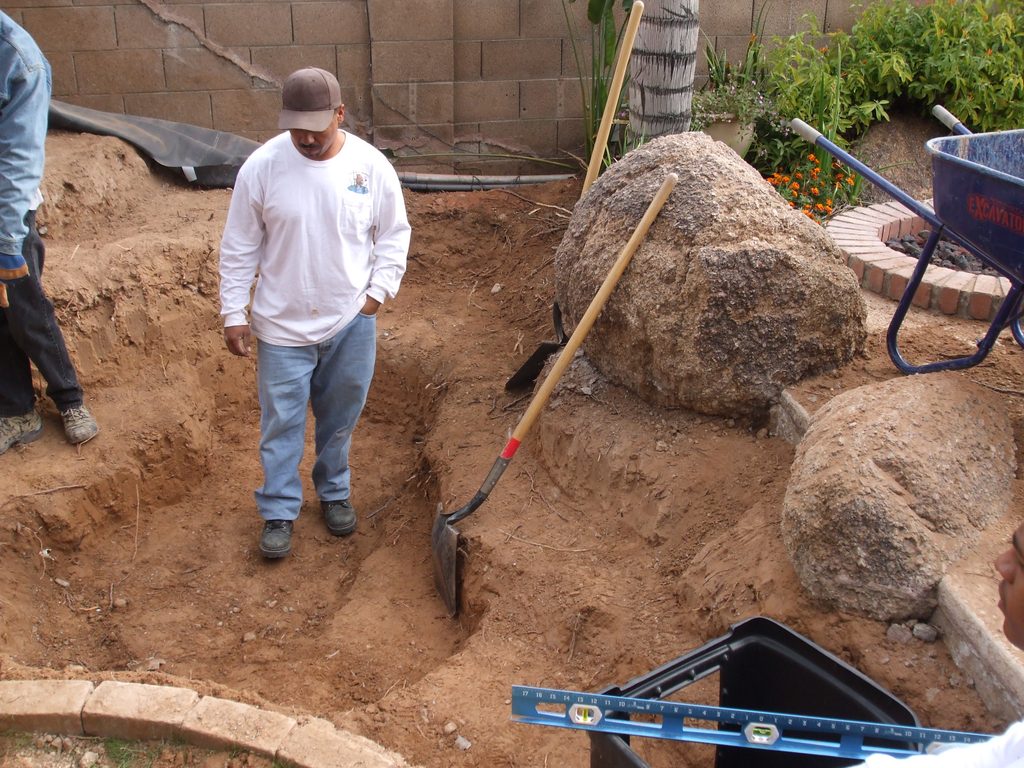
Can equipment reach the pond location? How far must materials travel from the delivery area? What’s under the ground? Can the rock & materials be staged on site, or do they need to be drawn from a trailer every day?
- Narrow gates can limit equipment choices.
- Caliche and rock can increase excavation work and create a “hard dig” scenario.
- Slopes and existing improvements can complicate construction.
Waterfalls and streams
The sound of moving water is often what brings people outside in the first place. Plan that experience deliberately.
- A longer stream requires additional construction.
- Waterfall width and elevation affect pump selection.
- More elaborate cascades require more stone placement and detailing.
Tell your designer where you want to hear the water: beside the patio, through an open window, or from a favorite garden seat.
Finishing touches
Prioritize the details you’ll use and enjoy:
- Underwater lighting for evening viewing.
- Accent boulders and natural transitions into the yard.
- Fish shelters and predator protection.
- Aquatic planting.
- Connections to paths and seating areas.
For more local background, see our Arizona koi pond cost guide.
Why filtration belongs in the original budget
Aquascape’s ecosystem approach combines circulation, filtration, plants, fish, and rock and gravel. Those parts work together to support a living pond. Learn more about Aquascape’s ecosystem philosophy.
Here’s why the equipment matters:
- Mechanical filtration collects debris. A skimmer intercepts floating material before it settles to the floor.
- Biological filtration processes waste. Beneficial bacteria help convert fish waste into forms that aquatic plants can use.
- Circulation moves water through the system. Pumps and plumbing must suit the actual installation.
- Aquatic plants use nutrients. They also provide habitat and contribute to the pond’s appearance.
Aquascape’s pond filtration guidance explains these relationships in more detail.
When requesting a proposal, consider how the system will handle your intended fish population and how you’ll reach the equipment for cleaning. A beautiful pond should also be practical to care for.
How to compare professional pond installation quotes
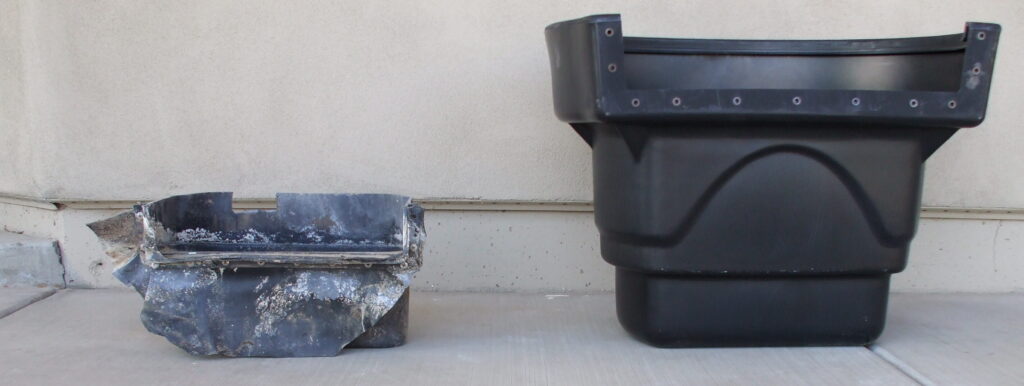
Give each contractor the same description of what you want. Then compare the complete scope. And don’t be surprised to get a ballpark figure over the phone, while a site visit and exact quote typically requires a design consultation fee. In this day and age, reputable and established contractors have realized that running around to give out estimates costs real money.
Ask these questions:
- What is the finished pond size? Clarify water area, depth, and how dimensions are measured.
- What does the waterfall include? Confirm its approximate size and any stream length.
- How are difficult excavation conditions handled? Understand how unexpected work will be priced.
- Which finishing costs are separate? Ask about electrical supply, planting, lighting, soil removal, and landscape restoration.
- What happens after construction? Discuss owner training, maintenance access, service availability, and warranty terms.
Ask to see completed projects similar to yours. Pictures of established ponds can tell you more than a photo taken immediately after construction. And getting out to see the work in person (displays) before hiring a contractor ensures that you’re choosing the right fit for your project.
At The Pond Gnome, we want that conversation to start with how you’ll enjoy your pond. Watching fish with the grandkids, attracting wildlife, and creating a quiet retreat can lead to different design choices. Sharing your priorities and budget helps us recommend a sensible fit.

Budgeting for pond ownership after installation
Include ongoing care in your decision. Ask for an estimate based on the proposed equipment and your preferred maintenance arrangement.
Plan for:
- Electricity for pumps and other equipment.
- Water replacement as evaporation occurs.
- Routine debris removal and filter care.
- Aquatic plant maintenance and appropriate fish care.
- Occasional equipment servicing or replacement.
You can estimate pump electricity use with this formula:
Monthly electricity cost = pump watts ÷ 1,000 × operating hours per month × electricity rate per kWh.
For example, a hypothetical 200-watt pump running for 720 hours uses 144 kWh. Multiply that by your applicable electricity rate. This is a calculation example, not a quote for a particular pond.
Our goal is a pond you enjoy living with. Discuss the amount of hands-on care you want to do before construction begins.
Frequently asked questions about Phoenix pond installation costs
Can I build a pond for less than a professional installation costs?
Yes. A small DIY project can have a lower upfront cost if you supply the labor. Compare the entire project budget, including materials outside the kit, equipment rental, deliveries, and finishing work. Aquascape offers kits for homeowners who want to take on the construction.
Does a pond cost more just because I want koi?
Your fish plans can change the design. Consider adult fish size, population, swimming room, and filtration capacity. Discuss stocking goals before choosing a pond package.
Can I get an accurate pond quote from dimensions alone?
Dimensions help establish a starting point. A reliable proposal also needs information about access, excavation, equipment, waterfall design, and finishing details. Send photos of both the proposed pond location and the route into the yard for the most accurate ballpark estimate.
Are plants and fish included in the installation price?
At The Pond Gnome, they are typically separate from standard installation pricing, as not all water features are built for fish, and most people prefer to go shop and choose their own wet pets. Ask about planting and establishment support when planning the project.
Is a pondless waterfall an option if I mainly want the sound of water?
Yes. A pondless waterfall recirculates water through a concealed reservoir and provides moving water without an open fish pond. Compare designs around the experience you want, the available space, and your budget.
How can I keep my pond project within budget?
Choose a manageable footprint, prioritize the features you’ll enjoy most, and discuss site conditions early. Ask your designer to explain the cost implications of each option before approving the scope.
Conclusion
Professional pond installation in Phoenix is a custom construction project with a living ecosystem at its center. Start with a package that fits your goals, then account for access, excavation, equipment, and the details that make the feature belong in your yard.
The best budget is one that covers both the pond you want and the care it will need. Thoughtful planning helps you make those decisions before the digging starts.
At The Pond Gnome, we combine naturalistic water feature design with the practical needs of pond ownership in the desert. We’re here to help you turn a patch of backyard into a place you’ll look forward to spending time.

Ready to plan your Phoenix pond?
Let’s put a real plan and a realistic budget behind that backyard daydream.
Schedule a telephone consultation with The Pond Gnome, fill out a Request Form, or call 623-572-5607. Have a few photos, your wish list, and a comfortable investment range ready.
Whether you’re in Phoenix, Scottsdale, Glendale, Peoria, or a nearby community, let’s talk about bringing a little more Nature into your everyday life!