
The best backyard pond is one whose maintenance fits your lifestyle.
If you enjoy managing equipment and monitoring water conditions, a hands-on pond hobby may suit you. If you would rather relax beside waterfalls, fish, and aquatic plants, a properly designed ecosystem pond can simplify routine care by combining filtration, circulation, plants, and beneficial bacteria. Low maintenance still means regular attention—it just helps make that attention manageable.
Before choosing your pond’s size, waterfall, or favorite koi, ask yourself one question:
What kind of pond maintenance do I actually want to do?
Most people accept the chores that come with a lawn: watering, mowing, edging, fertilizing, and then doing it all again. But when it comes to a water feature, you have an opportunity to choose a different relationship with your backyard.
Do you want something to tinker with? Or somewhere to put your feet up?
At The Pond Gnome, that answer helps guide the whole conversation.
Are You a Fiddler or a Chiller?
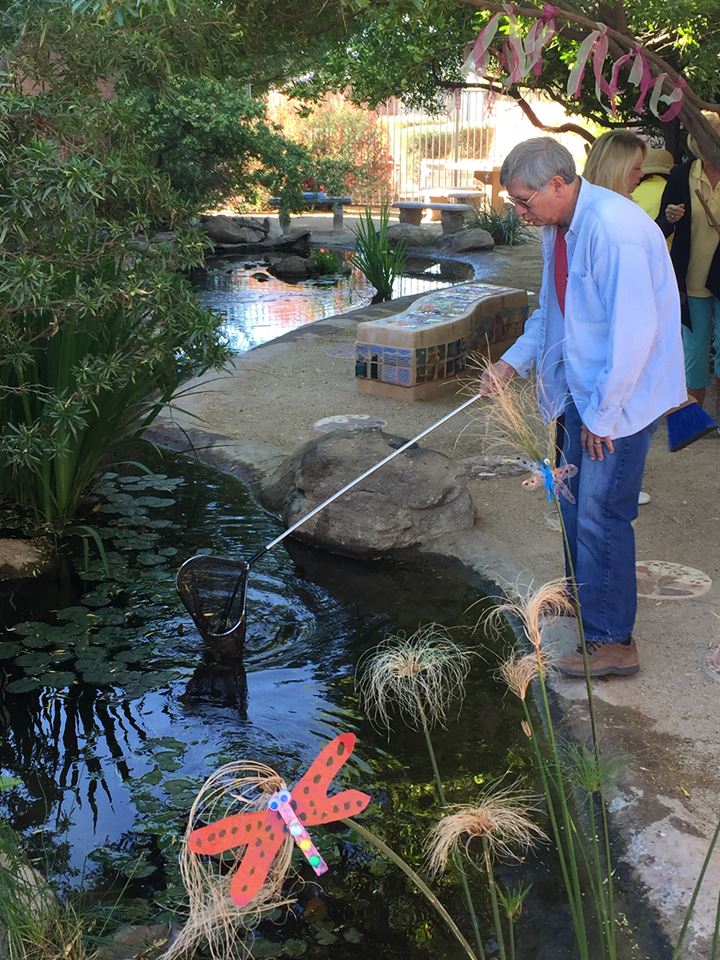
The Fiddler Enjoys the Process
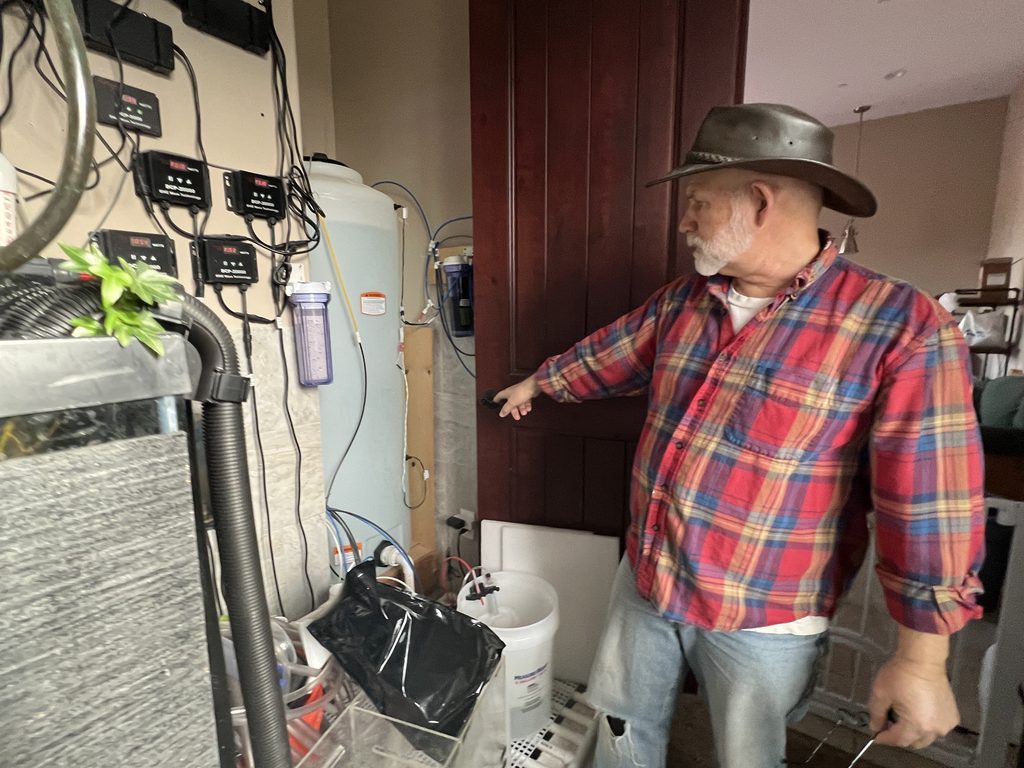
Some people enjoy the equipment side of pond ownership. Checking water parameters, comparing filtration options, and fine-tuning a system are part of the fun.
You might be a fiddler if you enjoy:
- Learning how pumps and filters work.
- Monitoring water quality and keeping records.
- Performing equipment maintenance yourself.
- Managing a pond around a particular fishkeeping goal.
- Spending time on the technical side of the hobby.
There is nothing wrong with that. For some pond owners, maintaining the system is as satisfying as watching the fish.
The key is to understand the actual requirements of the system you choose. Filter cleaning, backwashing, and monitoring needs vary by equipment, pond conditions, and fish population. Ask about a specific maintenance routine before you commit.
The Chiller Wants to Enjoy the View
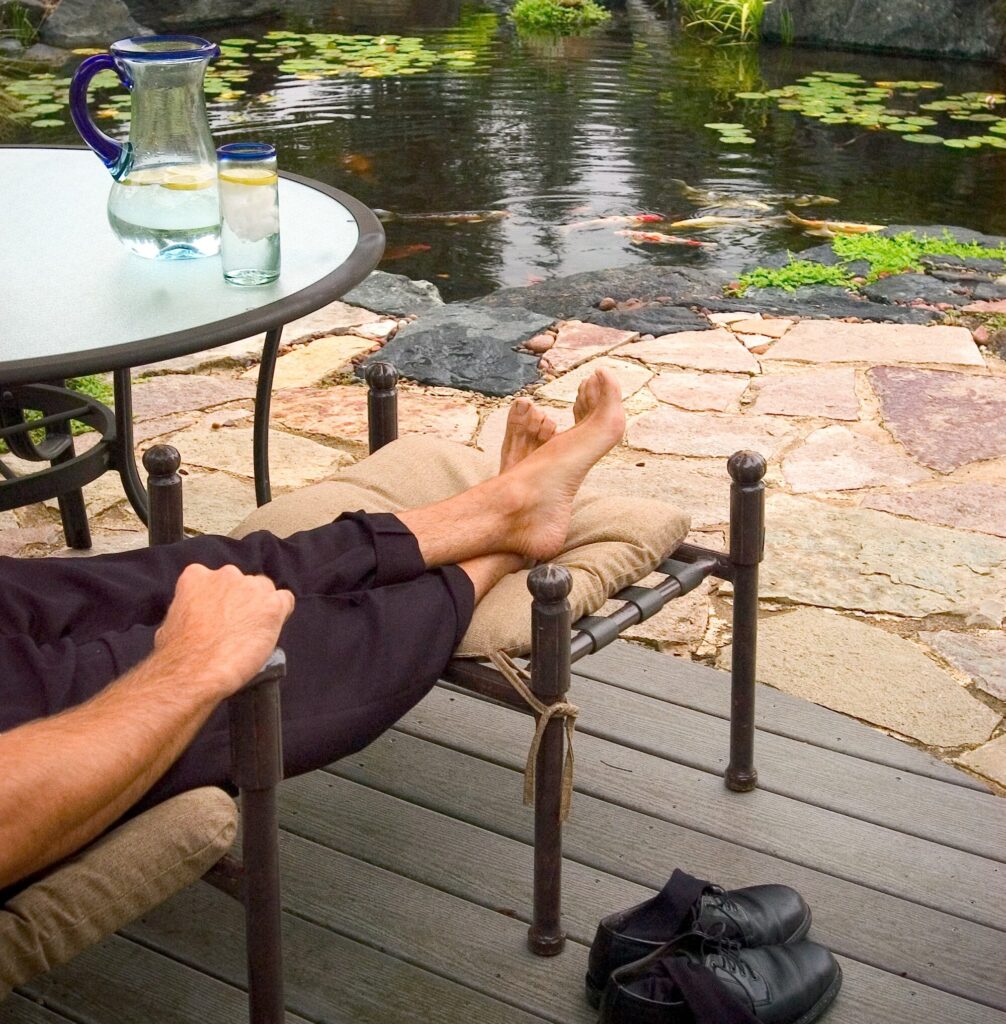
Then there is the person who wants to come home, kick off their shoes, grab a favorite beverage, and sit down to listen to the waterfall or watch the fish swim around.
You might be a chiller if your wish list includes:
- Watching fish instead of constantly adjusting equipment.
- Enjoying aquatic plants and visiting dragonflies.
- Hearing moving water from your patio or open window.
- Having a manageable care routine.
- Getting professional help with the bigger maintenance jobs.
That is the experience we design for at The Pond Gnome: a living water feature that works with natural processes and gives you a reason to spend more time outside.
Your pond should fit the way you want to live.
How Does an Ecosystem Pond Reduce Maintenance?
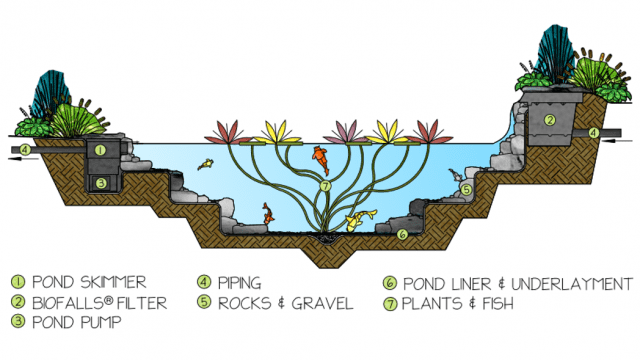
An ecosystem pond uses several components together. A waterfall alone does not create a balanced pond, and a filter cannot compensate for every other design problem.
An ecosystem approach includes:
- Mechanical filtration: A skimmer collects floating leaves and debris before they settle and decay.
- Biological filtration: Beneficial bacteria colonize filter media and help process pond waste.
- Circulation: A pump moves water through the filtration system and back into the pond.
- Aquatic plants: Plants use nutrients and contribute to the pond’s living habitat.
- Rocks and gravel: These provide additional surfaces for beneficial bacteria.
- An appropriate fish population: Fish numbers and feeding must fit the system’s capacity.
These components work together to reduce the burden on the pond owner. They still need observation and care.
At The Pond Gnome, we use the ecosystem approach because it fits our focus on living ponds, natural beauty, and everyday enjoyment.
What Maintenance Does a Low-Maintenance Pond Need?
Think of routine pond care as a short check-in with your backyard ecosystem.
Regular Checks and Simple Chores
Depending on your pond and the season, routine tasks include:
- Checking water levels: Keep enough water in the system for the pump to operate properly. An installed autofill device helps tremendously.
- Emptying the skimmer basket: Remove collected debris before it restricts flow.
- Watching the waterfall: A noticeable reduction in flow deserves investigation.
- Observing your fish: Changes in swimming, appetite, or breathing can signal trouble.
- Removing dead plant material: Keep decaying leaves and spent growth from accumulating.
- Feeding responsibly: Uneaten food adds waste.
- Servicing filters: Follow the instructions for your particular equipment.
Appropriate fish stocking, responsible feeding, suitable filtration, and unobstructed pump flow are important factors in maintaining healthy pond water.
Seasonal and Deeper Care
Some work falls outside the quick weekly routine:
- Trimming and managing aquatic plants.
- Inspecting and cleaning equipment.
- Addressing accumulated sediment and organic debris.
- Evaluating recurring algae or water-quality problems.
- Determining when a deeper cleaning is appropriate.
The Pond Gnome offers ongoing maintenance and pond cleaning services for homeowners who would rather have experienced help with those tasks.
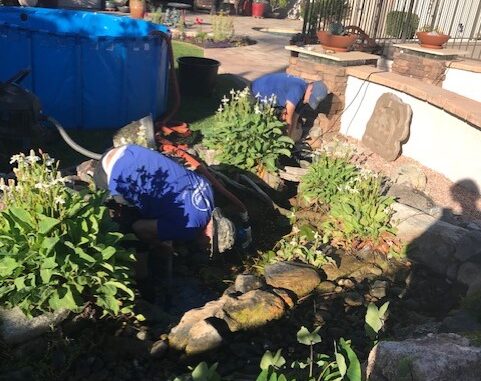
Does Pond Maintenance Really Take Only Ten Minutes a Week?
Treat that as a possible routine-care goal, not a promise for every pond.
Emptying a basket and checking a healthy, established system may be quick. Plant work, equipment servicing, storm cleanup, and deeper cleaning take additional time, depending on the season.
A useful question to ask your pond builder is:
“What will I need to do regularly, and what additional work should I plan for during the year?”
That answer tells you far more than a blanket claim about minutes per week.
What Makes Pond Maintenance Different in Phoenix?
Phoenix pond owners need to account for heat, evaporation, and seasonal debris.
The Pond Gnome’s Arizona maintenance guidance emphasizes water levels, equipment performance, and regular care because desert conditions can put additional demands on a pond.
Pay particular attention to:
- Summer water loss: Check that evaporation has not lowered the water below the system’s operating level.
- Warm-water oxygen needs: Warm water holds less dissolved oxygen, making circulation and appropriate aeration especially important.
- Monsoon debris: Check collection baskets and water flow after storms.
- Plant growth and decay: Remove dying material before it becomes additional waste.
Aquascape also emphasizes shade and oxygen availability during hot weather. Fish gasping at the surface warrant prompt attention.
A pond care routine should respond to what is happening in your yard. A windy, debris-filled week may require more attention than a quiet one.
How Can You Avoid Unnecessary Pond Maintenance?
The easiest chores are the ones good planning helps prevent.
Before installing or remodeling a pond, discuss:
- Your fishkeeping goals: Filtration should match the pond and its intended inhabitants.
- Equipment access: Routine cleaning should be practical.
- Nearby vegetation: Consider where leaves and other debris will land.
- Circulation and filtration: Choose components that work together.
- Your available time: Be honest about the care you will enjoy doing.
- Professional support: Decide which jobs you want someone else to handle.
Selecting suitable filtration before construction is an important part of creating a successful pond.
That is why we want to talk about your lifestyle early. The prettiest drawing in the world will not tell us whether you enjoy cleaning a filter on Saturday morning.
Frequently Asked Questions About Pond Maintenance
Are ecosystem ponds maintenance-free?
No. Ecosystem ponds can reduce maintenance through coordinated natural processes and filtration, but debris removal, equipment care, and observation remain part of ownership.
Will an ecosystem pond always have crystal clear water?
Water clarity can change. Aquascape identifies excess nutrients, overfeeding, inadequate filtration, and other conditions as contributors to algae problems. Clear water also does not automatically mean every water-quality condition is suitable for fish.
Do I need to test my pond water?
Water testing is a useful tool, particularly when fish behavior changes or you are troubleshooting a problem. An ecosystem approach does not remove the need to assess water quality when something seems wrong. Aquascape specifically cautions that water can look clear while fish show signs of a problem.
How often should I clean my pond filters?
Follow the instructions for your equipment and adjust attention to actual conditions. Mechanical debris collection and biological filtration serve different functions, so they should not automatically receive the same cleaning routine.
Can someone maintain my pond for me?
Yes. The Pond Gnome provides pond maintenance services in the Phoenix area. Professional care can help homeowners who travel, have busy schedules, or simply prefer to spend their pond time relaxing.
Conclusion and Summary
Choosing a pond starts with choosing the experience you want.
If you love tinkering, make sure your system supports that hobby. If you want fish, plants, waterfalls, and a comfortable place to unwind, discuss an ecosystem pond designed around manageable care.
Remember:
- Good design helps simplify maintenance.
- Low maintenance still includes routine attention.
- Phoenix conditions require seasonal adjustments.
- Your care plan should fit your schedule and interests.
You deserve to know what owning your water feature will involve before the first shovel hits the ground.
Ready for More Pond Time and a Care Routine That Fits?
Tell The Pond Gnome how you want to enjoy your backyard—and how much maintenance you want to handle.
Whether you are planning a new ecosystem pond, considering a remodel, or looking for help with an existing feature, we can discuss an approach that fits your property and lifestyle.
Schedule a consultation with The Pond Gnome or explore our pond maintenance services.
Bring your questions. Tell us whether you are a fiddler or a chiller. Let’s plan a water feature you will love living with.