
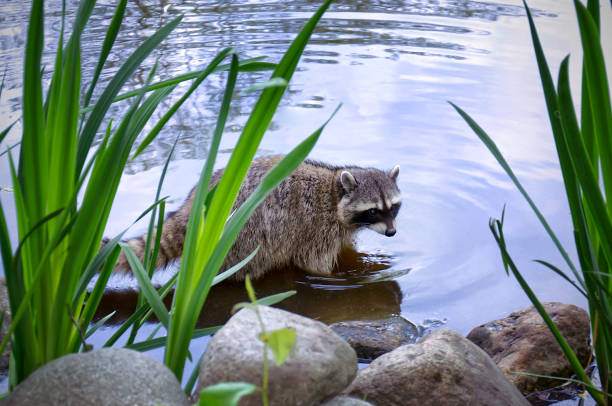
In Arizona, the biggest threats to a backyard pond fish are herons, raccoons, neighborhood cats, snakes, and other opportunistic wildlife. The best way to protect your koi and pond fish is to use a layered defense system that includes:
- Fish caves and underwater hiding areas
- Motion-activated noisemakers, inflatables, sprinklers or lights
- Pond netting or protective barriers
- Strategic landscaping around the pond
- Professional pond maintenance and ecosystem balancing
A properly designed ecosystem pond not only protects your fish but also creates a healthier, more natural environment where wildlife and your water garden can coexist.
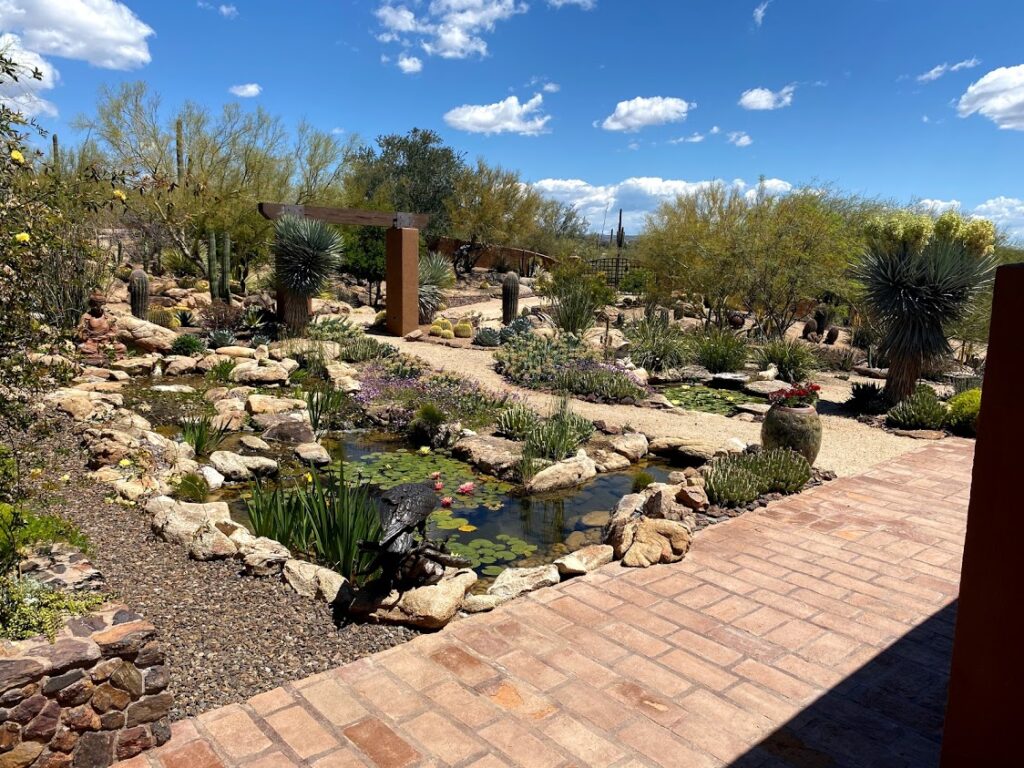
Arizona Wildlife Loves Ponds Too
There’s nothing quite like relaxing beside a beautiful koi pond in Arizona. The sound of moving water, colorful fish gliding beneath the surface, and visiting birds create a peaceful backyard escape.
Unfortunately, your pond may also look like an all-you-can-eat buffet to local predators.
At The Pond Gnome, we’ve spent more than 25 years designing and maintaining ponds throughout Phoenix, Scottsdale, Glendale, and surrounding Arizona communities. One of the most common concerns we hear from pond owners is:
“How do I keep predators from eating my fish?”
The good news? You don’t need to turn your pond into a fortress. With smart pond design and a few proven strategies, you can dramatically reduce fish loss while still enjoying a natural-looking water feature.
Common Pond Predators in Arizona
Arizona’s desert environment creates a unique mix of wildlife that often seeks out backyard water sources.
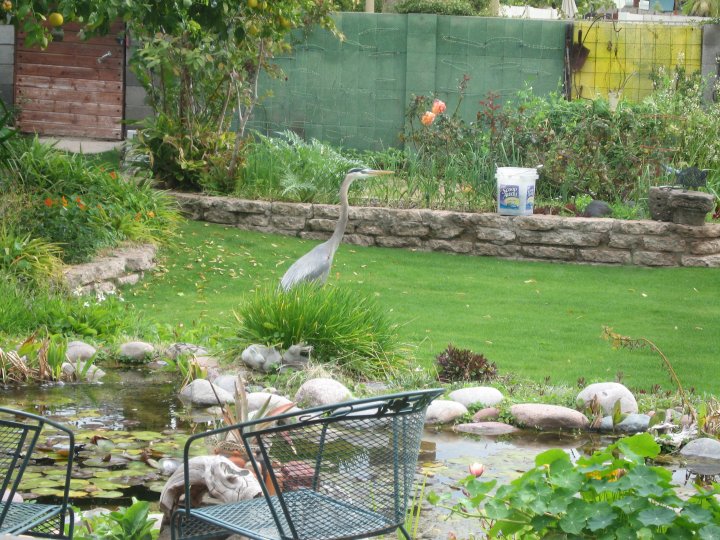
1. Herons
Herons are one of the most destructive pond predators. These large birds are patient hunters and can remove multiple koi in a single visit.
Why they’re dangerous:
- Excellent eyesight
- Hunt at dawn and dusk
- Prefer shallow water
- Often return once they find food
Herons typically stand along the pond edge and spear fish with lightning-fast precision.
2. Raccoons
Raccoons are intelligent, persistent, and surprisingly skilled fish hunters.
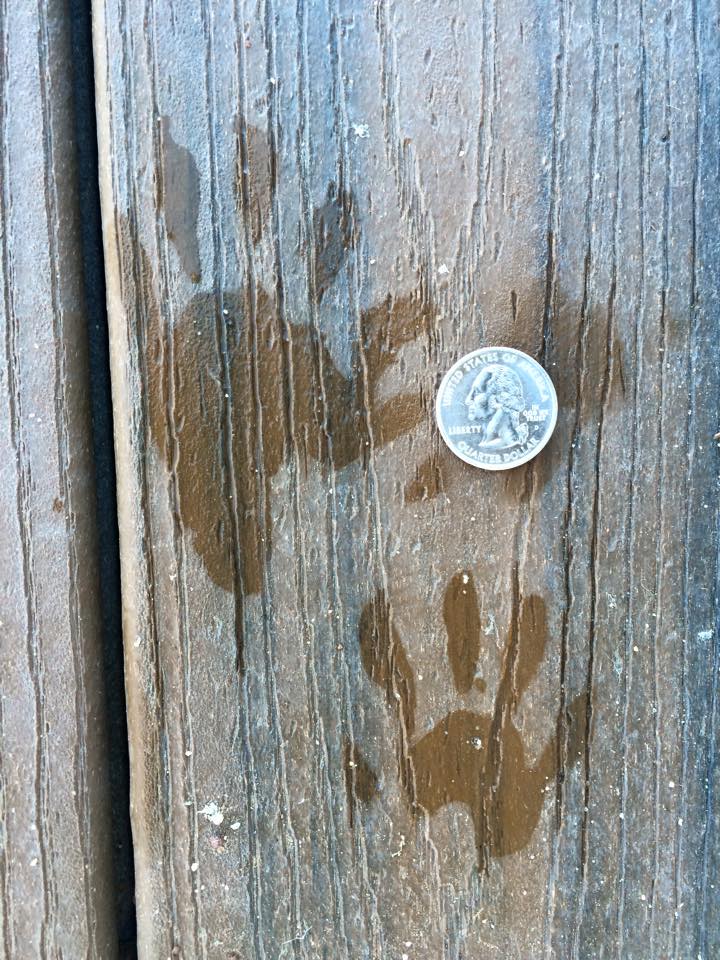
Warning signs:
- Muddy paw prints
- Disturbed rocks or plants
- Missing fish overnight
Raccoons usually hunt by reaching into shallow water along pond edges.
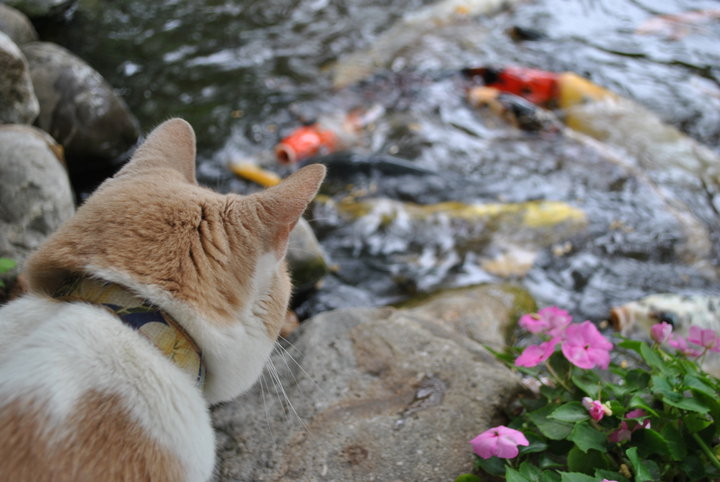
3. Neighborhood Cats
Outdoor cats may stalk smaller pond fish, especially in shallow decorative ponds.
They’re most likely to strike when:
- Fish gather near edges
- Water is crystal clear
- There’s limited cover for fish
4. Snakes and Other Desert Wildlife
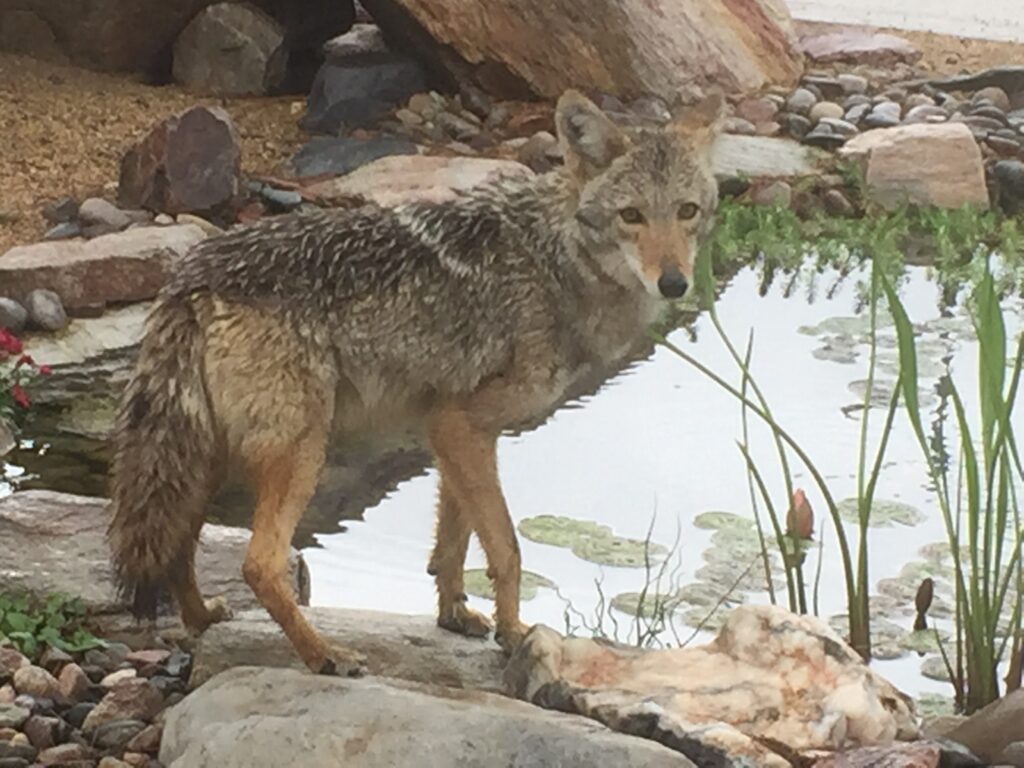
Arizona ponds can attract:
- Garter snakes
- Bullfrogs
- Coyotes
- Hawks
- Kingfishers
Most are opportunistic hunters rather than constant threats, but shallow ponds without hiding places can make fish vulnerable.
The Best Ways to Protect Pond Fish from Predators
Add Fish Caves and Hiding Spots
Fish need safe retreat areas when predators appear.
Great hiding options include:
- Rock caves
- Koi tunnels
- Overhanging ledges
- Dense aquatic plants
- Water lilies
These shelters help fish feel secure while making it harder for predators to corner them.
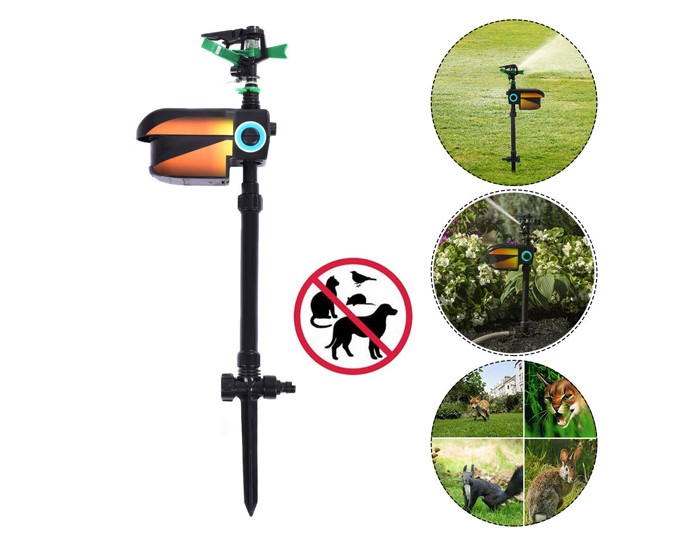
Install Motion-Activated Deterrents
Motion-activated devices are extremely effective because predators dislike surprises.
Popular options:
- Motion sprinklers
- Motion lights
- Ultrasonic deterrents
- Inflatables (i.e., a tube dancer)
Sprinklers are especially effective against:
- Herons
- Raccoons
- Cats
A sudden burst of water usually sends them running.
Use Pond Netting (Properly)
Pond netting can be highly effective when installed correctly.
Best practices:
- Keep netting elevated above the water
- Use durable UV-resistant material
- Avoid loose netting that sags into the pond
- Avoid ground contact with the netting material as lizards and snakes can get tangled and strangled.
Netting works especially well during migration seasons when heron activity increases.
Landscape Strategically
The right landscaping can discourage predators naturally.
Helpful landscaping features:
- Tall ornamental grasses
- Dense marginal plants
- Boulders around pond edges
- Reduced open sightlines
Predators prefer clear visibility. Strategic landscaping makes hunting more difficult while improving your pond’s appearance.
Why Professional Pond Design Matters
Many pond predator problems actually begin with poor pond design.
Common issues include:
- Shallow edges
- No fish shelters
- Poor circulation
- Overexposed fish
- Inadequate ecosystem balance
A professionally designed ecosystem pond considers:
- Fish safety
- Water quality
- Predator deterents
- Arizona climate conditions
- Long-term maintenance
At The Pond Gnome, we specialize in ponds that blend naturally into Arizona landscapes while supporting healthy fish and beneficial wildlife. As a Certified Aquascape Contractor with decades of experience, we understand how to create ponds that thrive in desert environments.
Signs You Already Have a Predator Problem
Watch for these warning signs:
- Fish disappearing suddenly
- Torn fins or injuries
- Fish hiding from you and acting skittish
- Muddy paw prints near the pond
- Disturbed gravel or plants that have been mauled
Early intervention is important because predators often return once they identify an easy food source.
Seasonal Predator Activity in Arizona
Spring
- Increased bird migration
- Hungry wildlife after winter
- Spawning fish become more visible
Summer
- Wildlife seeks water sources during extreme heat
- Nighttime predator activity increases
Fall
- Migration season returns
- Fish may gather near the surface
Understanding seasonal behavior helps homeowners stay proactive year-round.
FAQ: Protecting Pond Fish in Arizona
What animal eats koi fish at night in Arizona?
Raccoons are one of the most common nighttime pond predators in Arizona. Coyotes, cats, and snakes may also target fish depending on pond design and location.
Do fake herons keep real herons away?
Sometimes temporarily. Heron decoys may help initially, but real herons often realize they aren’t a threat. Decoys work best when combined with other deterrents. If you choose decoys, be sure to move them around regularly.
Are pond nets safe for wildlife?
Yes, when installed properly. Raised, tightly secured netting is safer than loose netting that can trap birds or small animals.
What’s the best way to predator-proof a pond?
The best approach combines:
- Fish shelters
- Motion deterrents
- Strategic landscaping
- Professional ecosystem balancing
Layered protection is far more effective than relying on one solution alone.
Final Thoughts
Backyard ponds naturally attract wildlife — and honestly, that’s part of their beauty.
The goal isn’t to eliminate nature. It’s to create a balanced pond ecosystem where your fish can thrive safely alongside Arizona wildlife.
By combining smart pond design, protective features, and regular maintenance, you can dramatically reduce predator problems while enjoying a healthier, more beautiful pond year-round.
At The Pond Gnome, we’ve helped Arizona homeowners design, build, remodel, and maintain stunning ecosystem ponds for more than three decades. Whether you need predator protection upgrades, pond maintenance, or a completely new water feature, our team can help you create a pond that’s both beautiful and fish-safe.
Ready to Protect Your Pond?
Contact The Pond Gnome today to schedule a consultation for pond design, remodeling, maintenance, or predator protection solutions in Phoenix, Scottsdale, Glendale, and surrounding Arizona communities.