
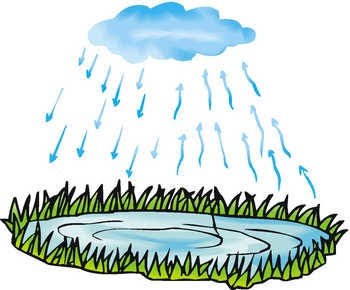
Most ponds in Arizona lose 1–2 inches of water per day during summer due to evaporation, and during extreme heat waves, losses can reach 2–4 inches per day. If your pond is losing more than that, especially if the water level drops rapidly or consistently below a certain point, you may have a leak rather than normal evaporation.
Understanding the difference between evaporation and leaks can save you time, money, and frustration—and help keep your fish, plants, and ecosystem healthy all summer long.
Why Do Ponds Lose Water in Summer?
Every pond loses water naturally. In fact, evaporation is a normal part of the water cycle. Here in Arizona, however, our intense sunlight, low humidity, and triple-digit temperatures can make water disappear surprisingly fast.
Evaporation rates increase significantly when water temperatures rise, wind speeds increase, and humidity drops.
Factors That Affect Pond Evaporation
- Air temperature
- Water temperature
- Wind exposure
- Pond surface area
- Waterfalls and streams
- Relative humidity
- Direct sun exposure
- Pond depth
A shallow pond with a large waterfall in full sun will lose more water than a deeper pond with a short stream protected by shade trees or aquatic plants.
What’s Normal Water Loss for Arizona Ponds?
Arizona pond owners often assume they have a leak when they notice water levels dropping in July and August. In many cases, what they’re seeing is completely normal evaporation.
Typical Summer Water Loss
| Condition | Expected Water Loss |
| Mild summer weather | ½–1 inch per day |
| Typical Arizona summer | 1–2 inches per day |
| Extreme heat wave (110°F+) | 2–4 inches per day |
| Dry wind exposure | Up to 4 inches a day |
The key is consistency. Evaporation usually happens gradually and evenly.
If you’re adding water every day just to maintain the level, it’s worth investigating further.
How to Tell the Difference Between Evaporation and a Leak
This is one of the most common questions we hear from pond owners.
Signs You’re Probably Seeing Evaporation
- Water loss is gradual.
- Water level remains stable once topped off.
- No soggy areas around the pond.
- Water loss increases during hotter weather.
- Fish and equipment appear normal.
Signs You May Have a Leak
- Water level drops rapidly.
- Loss exceeds expected norms.
- Wet spots appear around the pond.
- The pond consistently stops dropping at the same level.
- Pump runs dry or struggles to maintain flow.
The Bucket Test: The Simplest Way to Check
If you’re unsure whether you’re dealing with evaporation or a leak, perform a bucket test.
How to Perform a Pond Bucket Test
- Fill a bucket with pond water.
- Place it on a pond shelf or next to the pond.
- Mark the water level inside the bucket.
- Mark the pond water level outside the bucket.
- Wait 24–48 hours.
- Compare the water loss.
Results
- If both levels drop equally, evaporation is the cause.
- If the pond loses significantly more water, you likely have a leak.
This simple test can eliminate guesswork before spending money on unnecessary repairs.
How Waterfalls Increase Evaporation
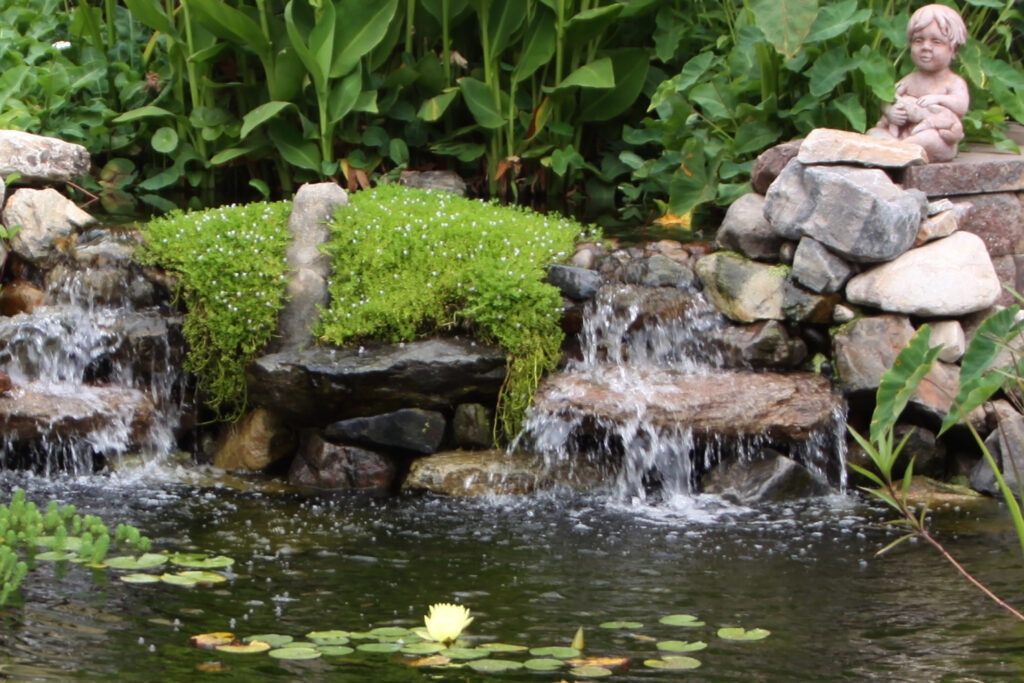
Many pond owners don’t realize that waterfalls and streams increase evaporation.
Moving water exposes more surface area to the air, accelerating water loss.
Water Features That Increase Evaporation
- Tall waterfalls
- Long streams
- Spillways
- Fountains
- Splashing features
While these features add beauty and oxygenation, they can contribute to noticeable water loss during Arizona summers.
How to Reduce Pond Evaporation
You can’t stop evaporation completely, but you can reduce it.
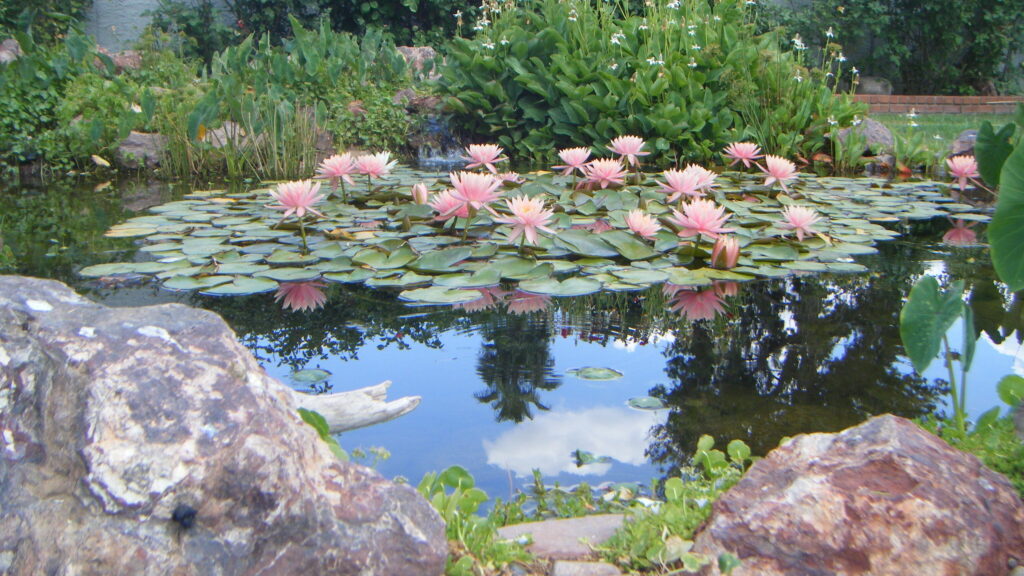
Add More Shade
Consider:
- Water lilies
- Floating plants
- Pergolas
- Shade sails
- Strategic landscaping
Shade helps lower water temperature and reduces direct solar exposure.
Reduce Wind Exposure
Wind speeds up evaporation.
Helpful solutions include:
- Decorative boulders
- Shrubs
- Privacy hedges
- Fencing
- Landscape screening
Maintain Proper Water Depth
Deeper ponds generally experience less dramatic temperature fluctuations and can be more resistant to excessive water loss.
Check for Splash-Out
Sometimes the issue isn’t evaporation at all.
Inspect:
- Waterfalls
- Stream edges
- Plumbing connections
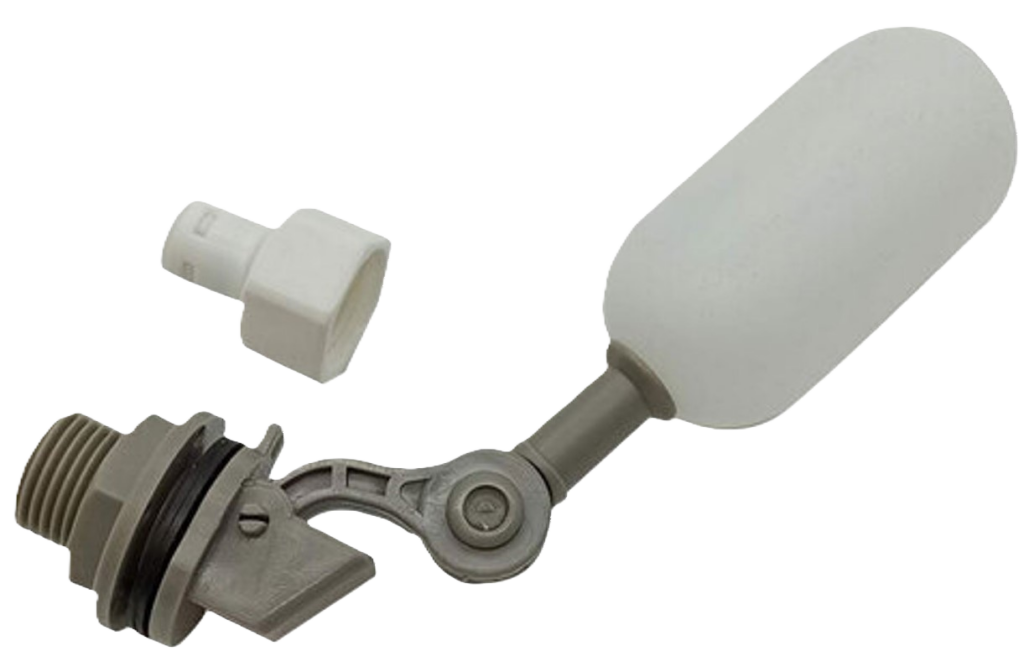
- Autofill systems
Even small splashes outside the liner can add up to hundreds of gallons over time.
Should You Install an Autofill System?
For pretty much all Arizona pond owners, the answer is a resounding yes. The Pond Gnome installs an autofill system on all of the ponds and water features that we build. We just consider this a necessary item.
Auto-fill systems automatically maintain proper water levels and help prevent pumps from running dry.
Benefits include:
- Consistent water levels
- Reduced maintenance
- Better fish health
- Protection for pumps and filters
- Peace of mind during vacations
However, an autofill should never be used to hide an unknown leak. Always determine the cause of excessive water loss first.
Why Maintaining Water Levels Matters
Low water levels don’t just affect appearance.
They can impact:
- Fish health
- Oxygen levels
- Water quality
- Biological filtration
- Pump performance
- Plant health
A healthy pond ecosystem depends on stable water conditions.
Regular monitoring helps prevent small issues from becoming expensive repairs.
Frequently Asked Questions
How much water evaporation is normal for a pond in Arizona?
Most Arizona ponds lose between 1–2 inches of water per day during summer. During extreme heat or windy conditions, losses can increase to 2–4 inches per day.
Is it normal to add water to my pond every week?
Yes. Most pond owners need to top off water periodically during Arizona summers due to evaporation.
How do I know if my pond has a leak?
Perform a bucket test and inspect for wet areas around the pond. Rapid water loss, consistent drops to the same level, or soggy ground may indicate a leak.
Do waterfalls cause water loss?
Yes. Waterfalls, streams, and fountains increase evaporation by exposing more water to air and creating surface agitation.
Can fish be harmed by low water levels?
Absolutely. Low water levels can reduce oxygen, increase water temperatures, and place stress on fish and beneficial bacteria.
Should I install an auto-fill system?
Auto-fill systems are an excellent solution for maintaining water levels, especially during Arizona summers, but they should not be used to mask a leak.
Conclusion
Some water loss during summer is completely normal—especially in Arizona. Most ponds will lose 1–2 inches of water per day due to evaporation, and even more during periods of extreme heat and wind.
The important thing is knowing when water loss is normal and when it’s a sign of a bigger problem.
By monitoring water levels, performing a simple bucket test, and maintaining your pond properly, you can protect your fish, equipment, and investment throughout the hottest months of the year.
Need Help Diagnosing Water Loss?
If you’re constantly adding water, suspect a leak, or simply want a professional evaluation, The Pond Gnome can help.
Our pond specialists can inspect your system, identify hidden leaks, optimize waterfalls and filtration, and recommend solutions that keep your pond healthy year-round.
Schedule a pond inspection today and let The Pond Gnome take the guesswork out of summer pond care.