

If you’ve ever walked outside, coffee in hand, ready to enjoy your peaceful Phoenix backyard pond… only to notice the water level has dropped—your heart probably sank faster than a rock in the deep end.
“Great,” you think, “I’ve got a leak.” Ugh!
Take a breath. Not so fast.
While leaks do happen, most pond water loss—especially here in hot, dry climates—is completely normal. Let’s walk through the most common reasons your pond may be losing water, when to relax, and when it’s time to call for professional help.
The #1 Culprit: Evaporation (a.k.a. The Silent Water Thief)
In places with intense sun and low humidity, evaporation is the biggest reason ponds lose water, especially during our hottest and dryest months of May and June (until monsoon season hits).
During peak summer months, it’s not unusual for a pond to lose:
- 1–2 inches of water per day
- Even more during heat waves or windy conditions
Factors that speed up evaporation:
- Direct sunlight all day
- High temperatures
- Low humidity
- Wind exposure
- Waterfalls or streams – the higher the flow rate, the higher the evaporation rate. Active waterfalls that splash water out onto the hot dry rocks are also big water thieves.
Bottom line: If your pond is gradually losing water but everything else looks normal, evaporation is likely the reason—not a leak.
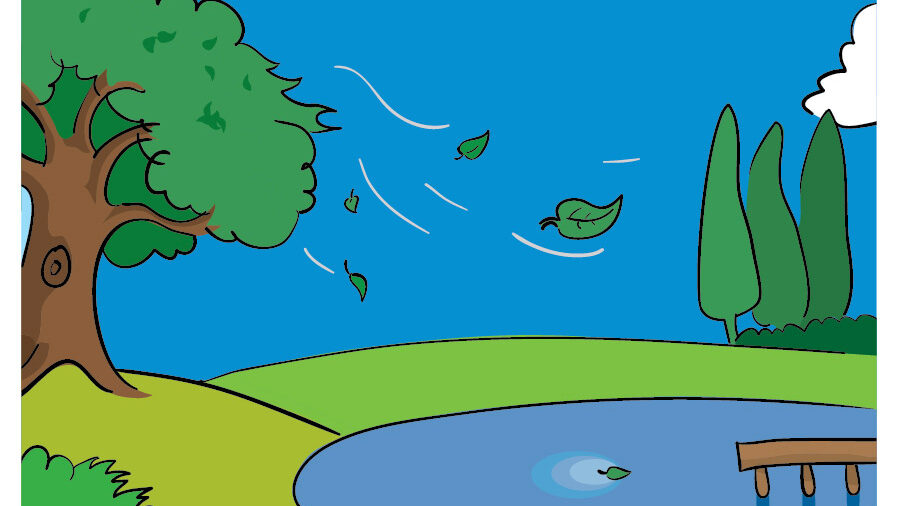
Splash-Out: Your Waterfall Might Be Guilty
Water features (waterfalls, fountainheads, etc.) add beauty and sound—but they also add opportunity for water to escape.
Check for:
- Water splashing outside the liner
- Misaligned rocks redirecting flow
- Strong pump flow causing overspray
- Kids, pets, or even birds playing in the water
Even a small, consistent splash can lower your pond level more than you’d expect.

Wicking: The Sneaky Edge Problem
“Wicking” happens when something outside your pond—like soil, mulch, or plant roots—touches the liner and slowly pulls water out.
It’s like your pond is being drained by a sponge.
Look for:
- Wet soil around the edges
- Plants or grass growing over the liner
- Decorative rock sitting too low
This is one of the most common “mystery water loss” issues—and one of the easiest to fix.
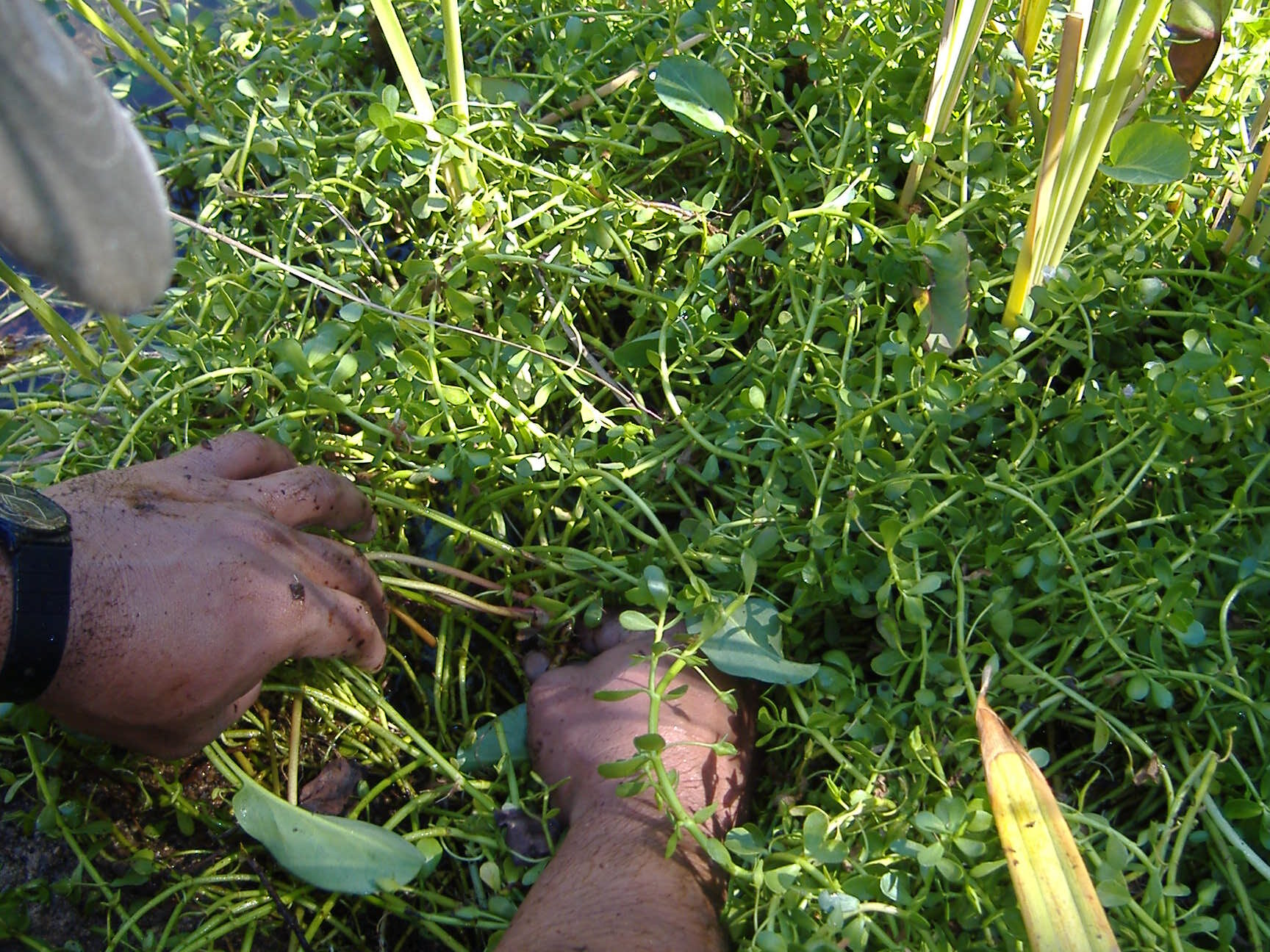
Filtration & Plumbing Check
Sometimes water loss isn’t from the pond itself, but from the system that circulates the water and filters it.
Inspect:
- Pump connections
- Filter boxes
- Plumbing lines
- Waterfall cisterns
A small drip in the wrong place can slowly add up to noticeable water loss.
When It Might Actually Be a Leak
Okay—so when should you start to worry?
Here are some signs it could be a real leak:
- Water level drops to a certain point and then stops
- You’re losing more than 1-2 inches per day
- The ground around the pond is consistently soggy
- You’ve ruled out evaporation, splash, and wicking
A helpful trick:
Turn off your pump and let the pond sit.
- If the water level stops dropping → the issue is likely in your waterfall or plumbing
- If it keeps dropping → the leak may be in the pond liner
FAQs
Q: How much water loss is normal in a pond?
A: Up to 1–2 inches per week in hot, dry climates is completely normal due to evaporation.
Q: How do I tell if my pond has a leak or just evaporation?**
A: Something called a “bucket test” will work. Set a bucket of water next to the pond in roughly the same exposure (wind and sun). Fill it ¾ with water and mark the water line. Mark the waterline in your pond as well. In 24 hours, the water should have an equal drop in both the bucket and pond, taking into account active water (streams, falls, aerators).
Q: How might I narrow down the leak location?
A: Turn off all the pump(s) and monitor the water level. If it stops dropping, the issue is likely in your waterfall or system—not the pond itself.
Q: Can a waterfall cause water loss?
A: Yes. Splashing, overspray, or misdirected flow can cause significant water loss over time.
Q: What is pond wicking?
A: Wicking occurs when water is pulled out of the pond by materials like soil or plants touching the liner edge.
Q: When should I call a professional?
A: If you’ve ruled out evaporation, splash, and wicking—and the water level continues to drop—it’s time to bring in an expert.
Don’t Panic—Diagnose
Most pond water loss isn’t a disaster—it’s just part of owning a water feature, especially in a hot climate.
The key is knowing what’s normal… and what’s not.
Before you assume the worst (and start pricing out a full rebuild), take a few minutes to check the usual suspects. You might save yourself time, money, and a whole lot of unnecessary stress.
Need a Second Set of Eyes?
If your pond is still losing water and you’re not sure why, don’t guess—get it checked.
A quick professional inspection can pinpoint the issue and get your pond back to doing what it’s supposed to do: relaxing you, not stressing you out.
Reach out today to schedule a pond checkup—and let’s get your water level (and peace of mind) back where it belongs.
If you find yourself in need of professional help, CONTACT THE POND GNOME!