
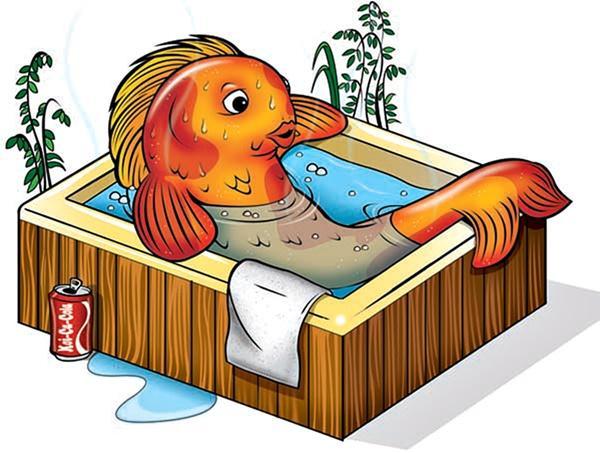
Phoenix homeowners often wonder if they can have a Koi pond in Arizona. Many folks move here from back East or the Midwest and are unsure of how pond fish fare in our Sonoran Desert environment.

Quick Answer
Koi can survive Arizona summers, but once WATER temperatures rise above 85°F, they become stressed, and oxygen levels drop quickly. To keep koi alive, focus on shade, aeration, and water depth—these three factors make the biggest difference during extreme heat.
Why Arizona Heat Is Dangerous for Koi
Unlike lakes or natural ecosystems, backyard ponds heat up fast—especially in direct sun. In Arizona, shallow ponds can reach 90°F+, which is dangerous for koi.
Warm water holds less oxygen, and that’s where the real problem begins. Even if your pond looks fine, your fish may be struggling for oxygen below the surface.
5 Ways to Protect Your Koi in Summer
1. Add Shade (More Than You Think You Need)
Shade is your first line of defense. Without it, your pond becomes a solar heater.
- Aquatic plants are your best option for both shade and nutrient uptake. Make sure you have a good variety of marginal plants and lilies. You can also use shade sails or pergolas or nearby trees.
- Aim to cover at least 50–70% of the pond surface, overall, but also make sure that you don’t cover too much of the surface, which will stifle oxygen exchange.
2. Increase Aeration Immediately
Hot water = low oxygen. This is the #1 reason koi die in summer.
- Waterfall flow is paramount
- Add an air pump or alternative aeration device, and keep a battery powered version handy for pump and power outages.
- Look for signs like fish gasping at the surface (piping)
3. Make Sure Your Pond Is Deep Enough
Depth matters more than most homeowners realize.
- Minimum depth: 3 feet for koi-keeping; goldfish can manage with 1.5 to 2’ of depth
- Deeper water stays cooler and more stable
4. Top Off Water (The Right Way)
Evaporation happens fast in desert climates.
- Add water regularly, preferably with an autofill device installed on your pond
- Use a dechlorinator if adding water manually at irregular intervals
- Avoid dumping large amounts of cold water at once. Large temperature swings are very stressful to koi.
5. Feed Less During Heat Waves
Koi metabolism slows in extreme heat.
- Feed early morning and minimally on very hot days
- Uneaten food lowers water quality quickly
Signs Your Koi Are in Trouble
Watch for these warning signs:
- Gasping at the surface
- Lethargic swimming
- Staying near waterfalls or aerators
- Loss of appetite
If you see these, act quickly—primarily by increasing aeration.
When It’s Time to Call a Professional
If your pond consistently overheats, the issue may be poor design:
- Too shallow
- Poor circulation
- Not enough shade built into the design
In many cases, a few upgrades can mean the difference between thriving fish and constant stress.
FAQs
What temperature is too hot for koi?
Any WATER temperature above 85°F can stress koi, and water temperatures above 90°F can be dangerous or fatal.
Can koi survive in full sun?
Not in Arizona. Without shade, water temperatures rise too quickly, and oxygen levels drop even quicker after nightfall due to aquatic plant respiration.
Do waterfalls add oxygen to a pond?
Yes, moving water helps increase oxygen levels, but in extreme heat, additional aeration is often needed.
How do I cool down my pond fast?
Add shade, increase aeration, and top off water gradually. Avoid drastic temperature changes.
Final Thoughts
Arizona summers are tough—but with the right setup, your koi can thrive. Focus on shade, oxygen, and depth, and you’ll avoid the most common (and costly) mistakes.
Serving Phoenix, Scottsdale, Glendale, Arizona (AZ) & Surrounding Areas