

(And Should You Worry?)
You walk outside, coffee in hand, ready to enjoy your pond…and instead you’ve got bubbles, foam, and a smell that reminds you of low tide.
Relax. Your pond didn’t break. It’s just nature doing what nature does best.
If you’re a Phoenix homeowner seeing foam in your pond, it’s usually completely natural and temporary. In most cases, it means your fish are spawning (yes… that), and your pond ecosystem is doing exactly what it’s supposed to do.
Why Foam Appears in a Pond
1. Fish Spawning (The #1 Reason) – your fish are gettin’ busy!
- Foam is often caused by fish reproduction activity
- During spawning, fish release proteins and organic material into the water
- This creates surface foam that can look and smell unusual
- It’s a sign your fish are:
- Healthy
- Comfortable
- Feeling safe in their environment
Translation: Your ecosystem pond is working as Mother Nature intended.
2. Seasonal Triggers (Spring & Fall)
- Spawning is most common when temperatures shift
- Typically happens:
- Spring (main event)
- Fall (encore performance)
- Warmer water and longer daylight hours trigger biological activity
3. Normal Pond Ecology at Work
A properly built pond isn’t just decoration—it’s a living ecosystem.
- Fish, plants, and bacteria all interact
- Organic matter (like fish activity) naturally cycles through the system
- Some temporary imbalances (like protein-based foam) are part of that cycle
Healthy ponds are not sterile—they’re abundant with life.
What Should You Do About Pond Foam?
Do This:
- ✔ Sit back and enjoy the show
- ✔ Monitor your fish behavior (they should be active and normal)
- ✔ Let nature run its course
DON’T Do This:
- ✖ Don’t add chemicals
- ✖ Don’t panic-clean your pond
- ✖ Don’t assume something is “wrong”
Good news:
The foam usually disappears on its own within a couple days.
What You Might Notice Next
1. “Bullied” Fish
- A few fish may look like they’re getting chased or roughed up
- These are typically females during spawning. The males are nudging and bumping the females to coax egg release. It doesn’t happen without that pressure, so again, it’s completely normal behavior even if it has a violent look to it. It is just nature being nature.
2. Baby Fish (Maybe)
- If you don’t have mosquito fish (Gambusia):
- You may see baby fish soon
- If you do have Gambusia:
- They’ll likely eat the eggs before they hatch
Nature is both beautiful… and a little brutal.
When Foam Might Actually Be a Problem
Let’s be clear—not all foam is harmless.
You may want to investigate further if:
- Foam sticks around longer than a week
- Water smells rotten (not just “fishy”)
- Fish appear stressed, lethargic, or gasping
- Water is cloudy or discolored
In those cases, it could be:
- Excess organic waste
- Poor filtration
- Overfeeding
- Water quality imbalance
FAQ: Foam in Phoenix Ponds
Is pond foam dangerous to fish?
No—not when it’s caused by spawning. It’s a sign of a healthy environment.
What is that smell?
Because it’s organic material released during fish activity, it will smell similar to ocean foam.
How long does pond foam last?
Typically a few days, sometimes up to a week, depending on conditions.
Should I remove the foam?
No. Let it dissipate naturally unless it’s persistent or tied to poor water quality.
Can I prevent it?
Not really—and you shouldn’t want to.
Foam from spawning means your ecosystem is thriving and your fish are happy.
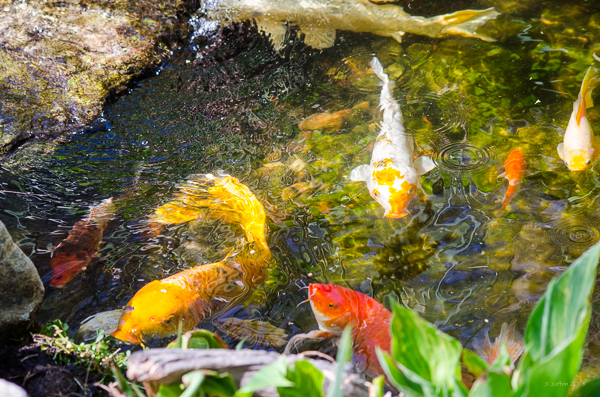
The Bigger Picture: Your Pond Is Alive
Here’s the truth most people don’t realize:
A pond isn’t a swimming pool.
It’s not supposed to be sterile.
It’s a living, breathing ecosystem where:
- Fish reproduce
- Plants grow
- Bacteria break things down
- Nature stays in balance
And sometimes… that balance includes foam.
Conclusion: Foam Is Usually Good News
If you see foam in your Phoenix pond:
- It’s normal
- It’s temporary
- It’s often a sign your fish are happy and healthy
In other words—your pond isn’t broken. It’s thriving.
Ready to Make Sure Your Pond Is Truly Healthy?
If you’re not sure whether what you’re seeing is normal—or if something feels “off”—don’t guess. Let The Pond Gnome take a look.
We’ve been helping Phoenix-area pond owners for decades, and we know exactly what’s normal… and what’s not.
Call us, send photos or video, or schedule a consultation today.
Your pond (and your fish) will thank you.